42 Storybook Art Ideas That Feel Cozy, Whimsical and Magical
There is something special about storybook art that never really leaves you. Even as adults, many of us still feel drawn to pictures of crooked little cottages, warm glowing windows, woodland animals in tiny scarves, and hidden homes tucked under roots or inside tree stumps.
A good storybook illustration feels like a memory you cannot quite place. It is gentle, familiar, and just a little bit magical.
They do not just show a place. They suggest a whole world beyond the page. You can almost hear the kettle boiling, the leaves rustling, or the rain tapping on the roof. That is why cozy art and whimsical art can feel so comforting. They invite you to slow down and look closer.
I have always loved the way vintage children’s book illustration captures that feeling so effortlessly. Even the smallest scene can feel rich with story.
A rabbit standing in a garden, a mouse arranging a pantry shelf, or a child reading near a fire can hold more mood than a big dramatic fantasy scene. That quiet magic is what makes storybook art inspiration so fun to collect.
This post gathers storybook art ideas for anyone who loves nostalgic, magical, and cozy storybook art.
If you enjoy whimsical storybook illustrations, fairytale art, woodland illustration, vintage storybook art, or children’s book art with a soft and comforting feel, you will find plenty of ideas here to spark your next sketchbook page, moodboard, or creative project.
42 Storybook Art Ideas That Feel Cozy, Whimsical and Magical
Cozy Cottage Storybook Art
Cozy cottages appear again and again in storybook illustration for a reason. They instantly create a feeling of safety, warmth, and charm.
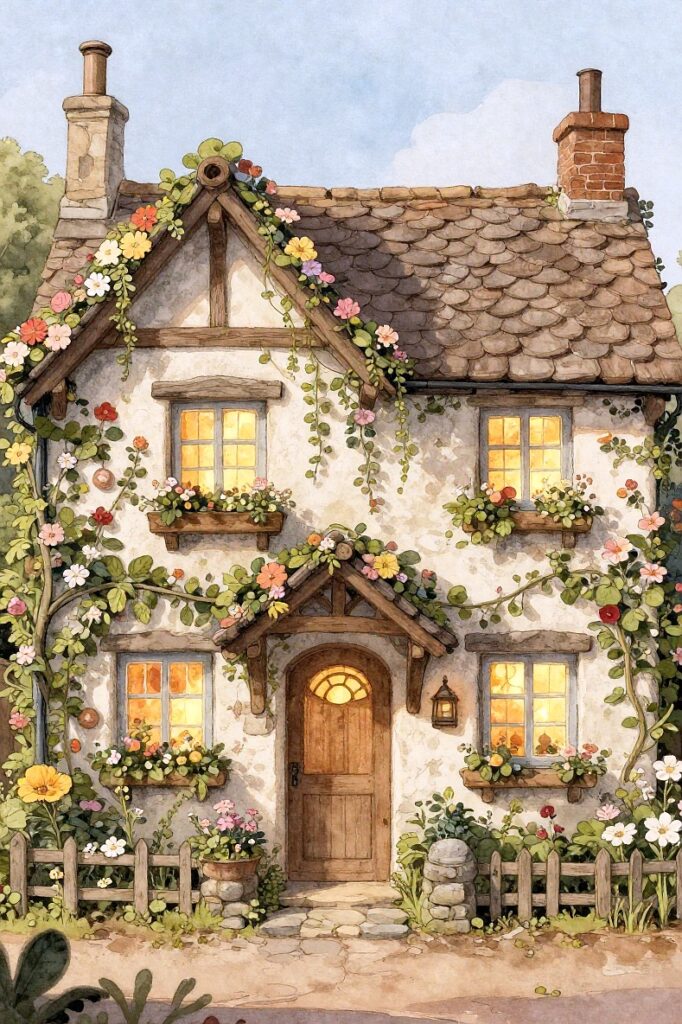
A little house with uneven stone steps, a curved roof, and flowers climbing up the walls already feels like it belongs to a story. You do not need much more than a glowing window or a chimney puffing smoke to imagine someone inside baking bread, reading by the fire, or tending a tiny garden.
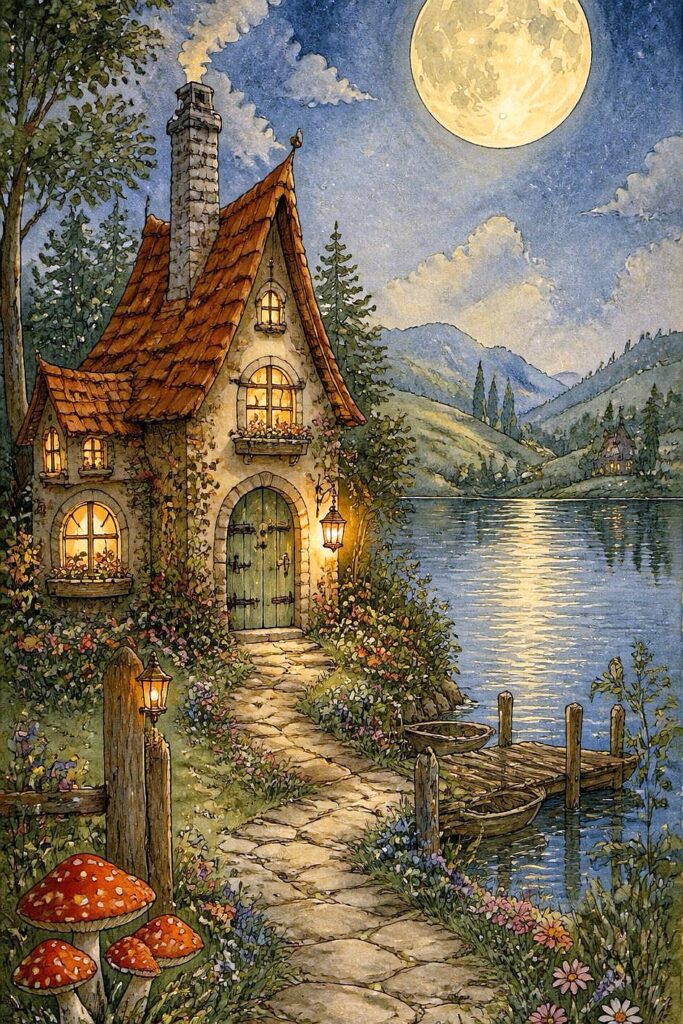
That is part of what makes cozy storybook art so comforting. Cottages give artists a place to layer details that feel intimate and personal. Tiny kitchens, old wooden doors, gingham curtains, herb pots, and sleepy cats all add to that lived-in mood. They are simple scenes, but they carry a lot of feeling.
1. Flower-Covered Cottage Illustrations
A cottage wrapped in climbing roses, ivy, hollyhocks, or wild vines has that instant storybook softness people never seem to get tired of.
These scenes feel especially lovely when the flowers are slightly overgrown, as if the garden has been quietly blooming for years. The house itself can be simple, but the plant life gives it personality.
This kind of storybook art works beautifully with pastel tones, faded greens, dusty pinks, and warm stone colors.
It also fits well with whimsical art because the flowers can feel just a little enchanted. Even a crooked roofline or tiny window box can make the whole illustration feel tender and memorable.
2. Warm Window Scenes
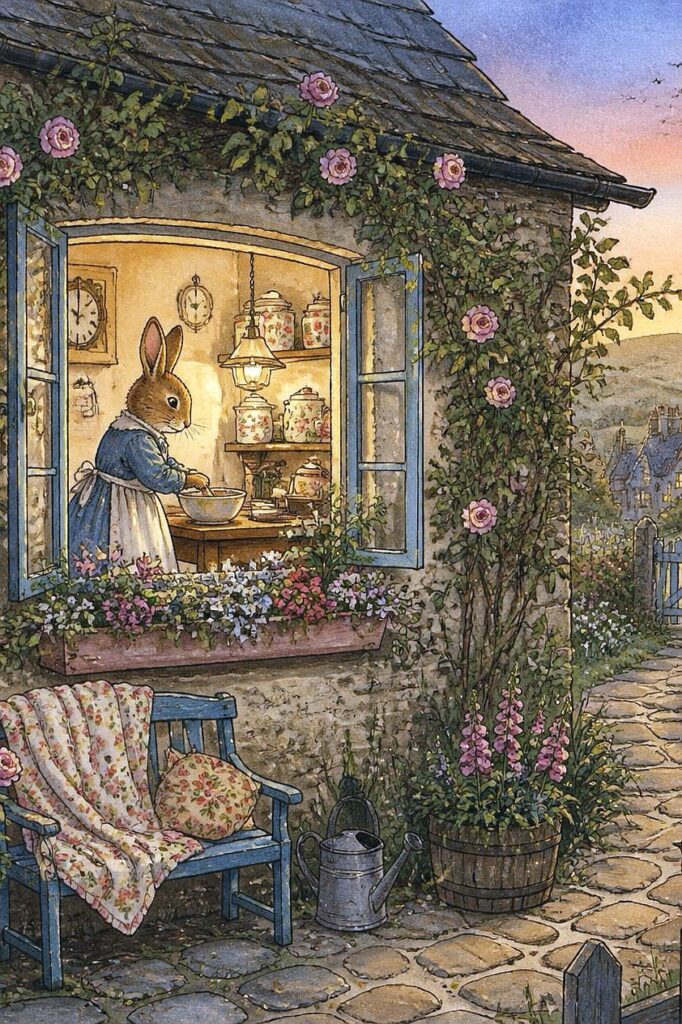
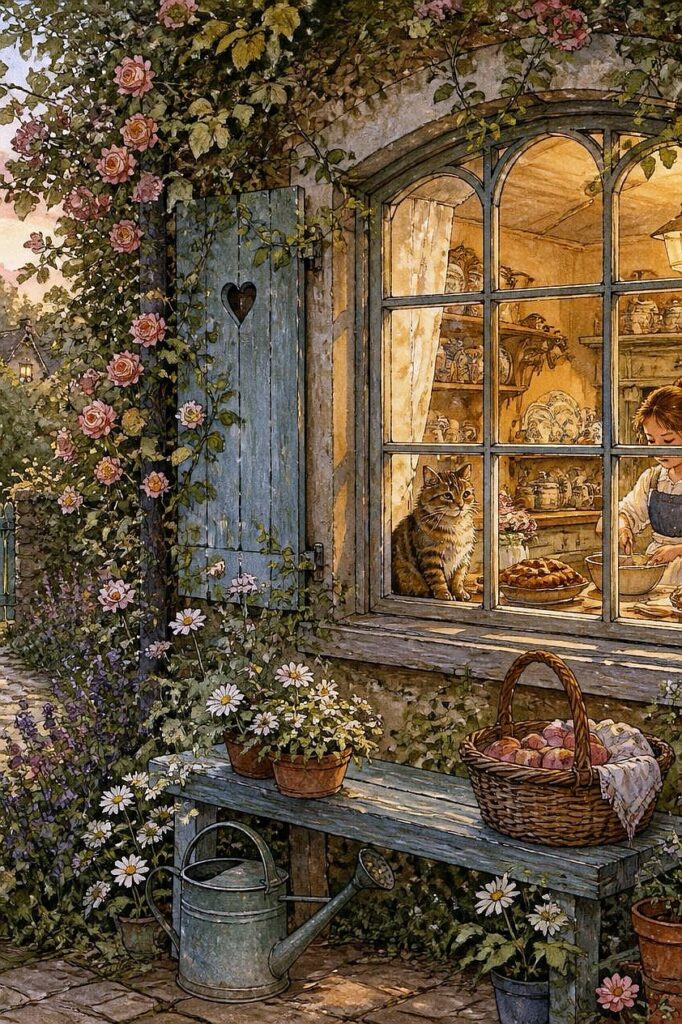
Few things say cozy art more clearly than a glowing window at dusk. You see the golden light from outside, and your mind fills in the rest. Maybe someone is stirring soup.
Maybe a child is reading by lamplight. Maybe a sleepy cat is curled up on the sill. It is such a simple image, but it carries so much feeling.
Warm window scenes are especially effective in storybook illustrations because they hint at story without saying too much.
The contrast between a cool blue evening sky and amber light indoors creates instant atmosphere. Add curtains, flower boxes, rain on the glass, or snow outside, and the scene becomes even more comforting.
3. Cozy Storybook Kitchens
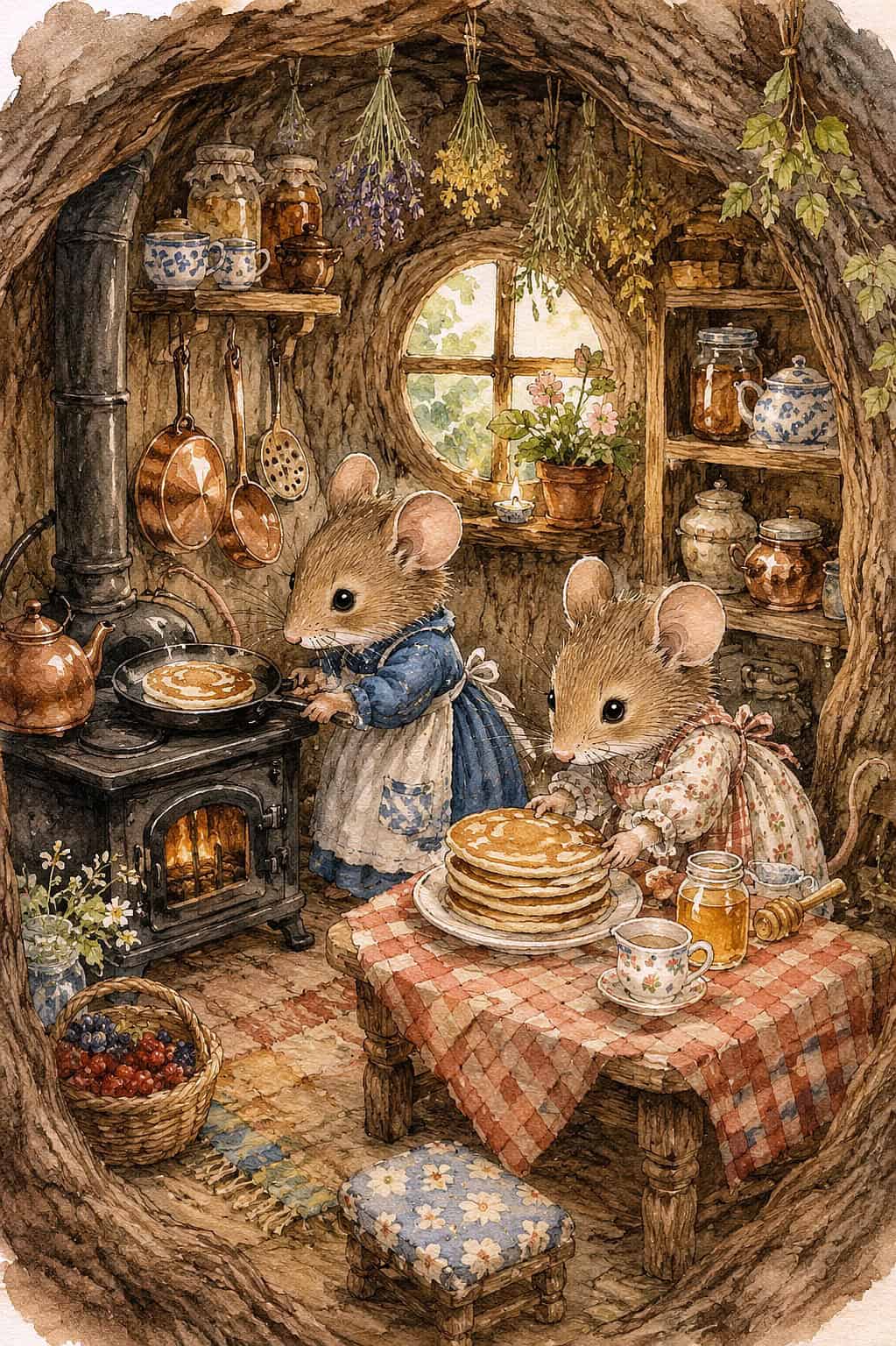
Storybook kitchens have a charm all their own. They often feel a little cluttered in the best way, full of shelves, bowls, teapots, bread loaves, herbs hanging to dry, and tiny stools pushed under worn tables. These spaces feel lived in, useful, and warm, which makes them perfect for cozy storybook art.
What makes them so appealing is the sense of daily life. A kitchen scene can suggest baking, gathering, or quiet routines that make a fictional world feel real. In vintage children’s book illustration, kitchens often have soft light, hand-painted textures, and gentle imperfections that make them feel inviting rather than polished.
4. Fireplace and Reading Nook Art
A fireplace scene is almost impossible to resist in whimsical storybook illustrations. There is something about books stacked nearby, a quilt draped over a chair, slippers by the hearth, and flickering firelight that feels deeply nostalgic. It is the kind of image that makes you want to step right into the page.
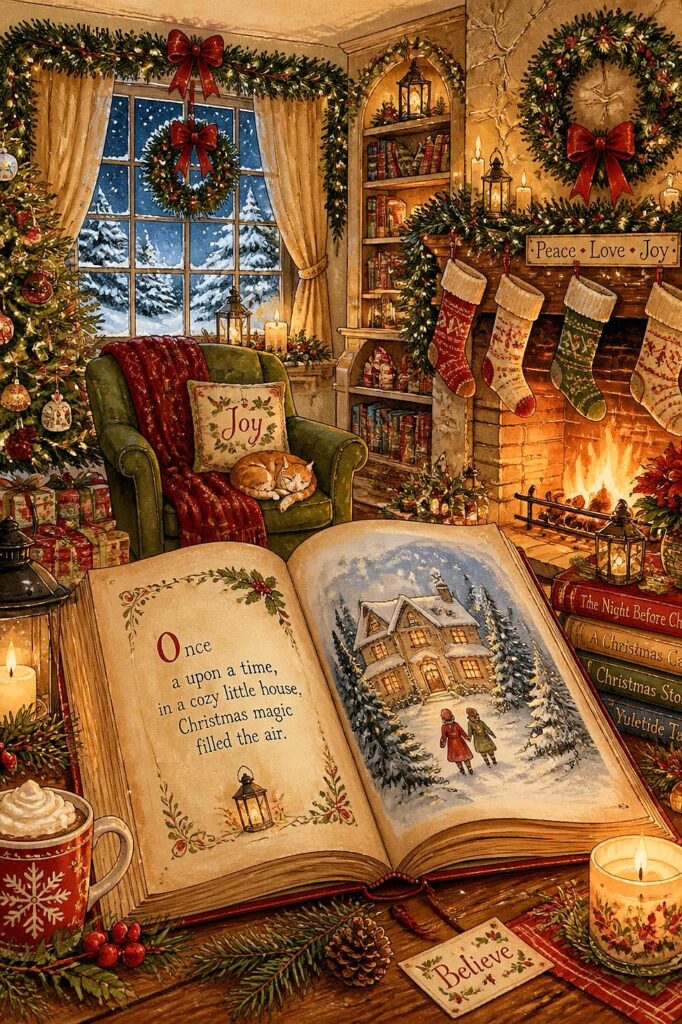
These illustrations do not need a lot of action. In fact, the stillness is often what makes them work. A quiet chair, a mug on a side table, or a sleepy animal stretched on the rug can say enough. In storybook art inspiration boards, these reading nook scenes often become favorites because they feel intimate and timeless.
5. Garden Path Cottage Scenes
A winding garden path leading to a little cottage creates that perfect feeling of arrival. It suggests that the house is tucked away from the world, hidden behind tall foxgloves, wild herbs, or white picket fences. That sense of discovery makes these scenes feel especially magical.
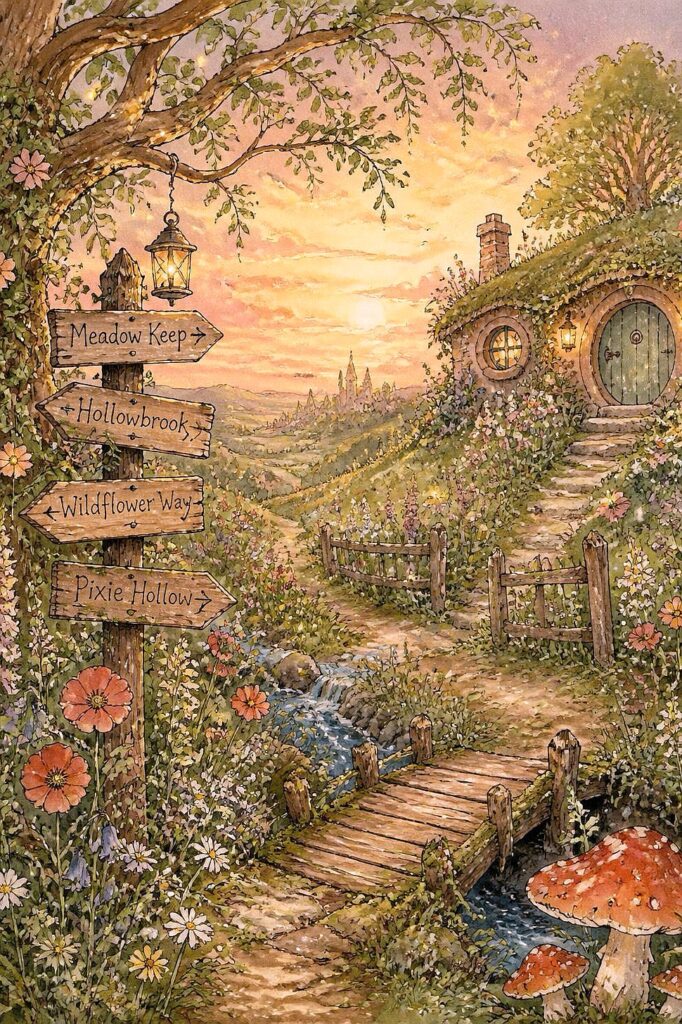
Garden path illustrations are lovely because they draw the eye inward. The path becomes part of the story. It invites you in. You can make the mood sweet and sunny, misty and quiet, or richly overgrown. In woodland illustration and fairytale art, these paths often feel like they lead not just to a home, but to a secret.
6. Little Front Door Illustrations
Sometimes the smallest part of a house becomes the most charming. A painted front door with a brass knocker, potted flowers, a tiny step, and a curved awning can hold the whole mood of an illustration. It feels personal. Someone chose that wreath, that lantern, that doormat.
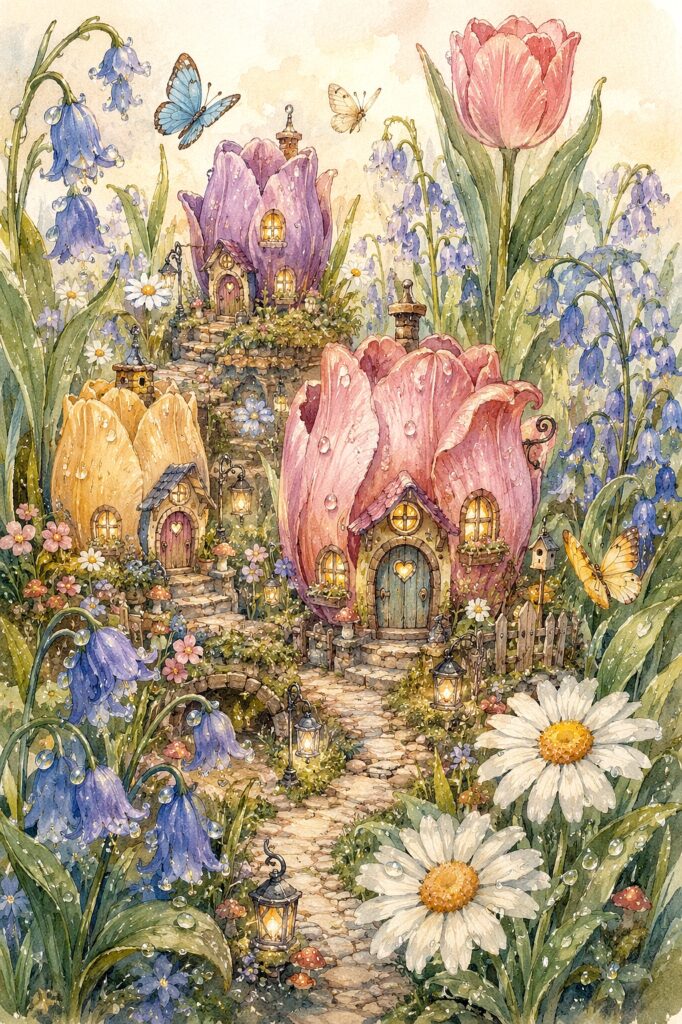
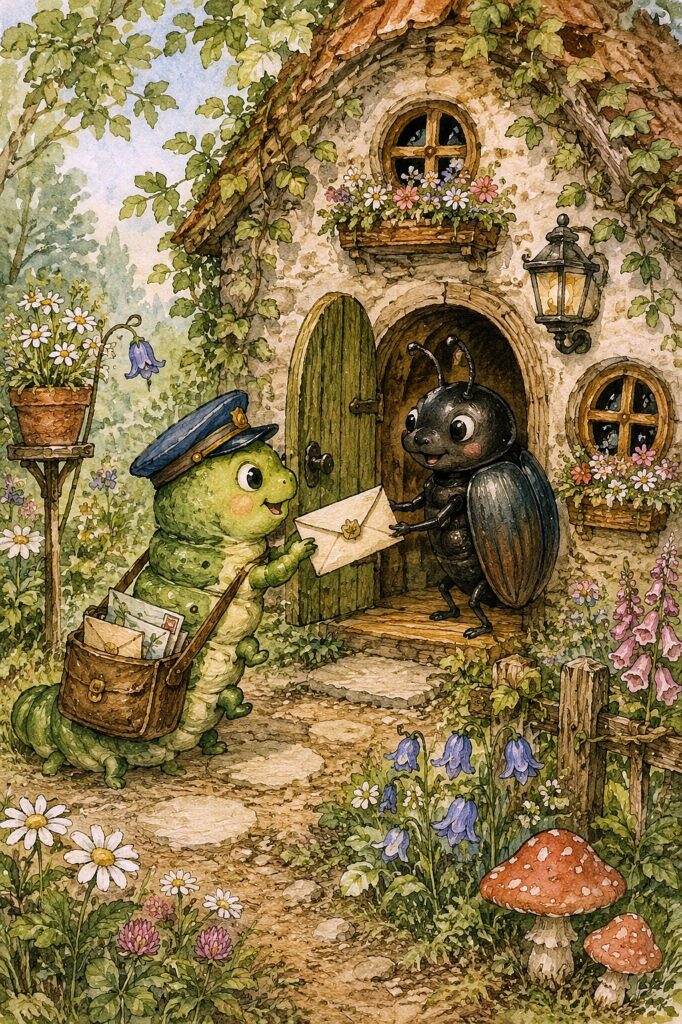
Little front door scenes are wonderful for close-up composition in children’s book art. They let you focus on texture and character rather than a full wide scene. A chipped paint finish, climbing ivy, stacked firewood, or a basket of mushrooms beside the door can instantly make the space feel lived in and loved.
Woodland Animal Illustrations
Woodland animals are one of the most beloved parts of storybook art, and it is easy to see why. They bring gentleness, humor, and personality into a scene without needing much explanation. A rabbit in a coat, a mouse carrying berries, a fox crossing a ferny path, or a hedgehog curled near mushrooms can make an illustration feel both nostalgic and alive.
These creatures often feel like old friends from childhood books. Rabbits, mice, foxes, deer, birds, squirrels, bears, hedgehogs, and other forest animals have a soft emotional pull in storybook illustrations. They can be realistic, lightly dressed, or fully anthropomorphic, and each approach creates a different mood. Some feel tender and domestic. Others feel adventurous or quietly magical.
7. Rabbit Storybook Illustrations
Rabbits have such a long history in vintage children’s book illustration that they almost define the genre for many people. We can thank Beatrix Potter for that!
They can feel sweet, curious, shy, or proper depending on how they are drawn. A rabbit carrying flowers, reading a letter, or standing in tall grass already feels like part of a gentle story.
They also suit many kinds of storybook art. You can place them in cottage gardens, woodland paths, rainy-day interiors, or spring meadows. Long ears, soft fur, tiny jackets, and baskets all add charm without needing much. Rabbit scenes often feel especially good for cozy storybook art because they are quiet and full of tenderness.
8. Mouse House Art
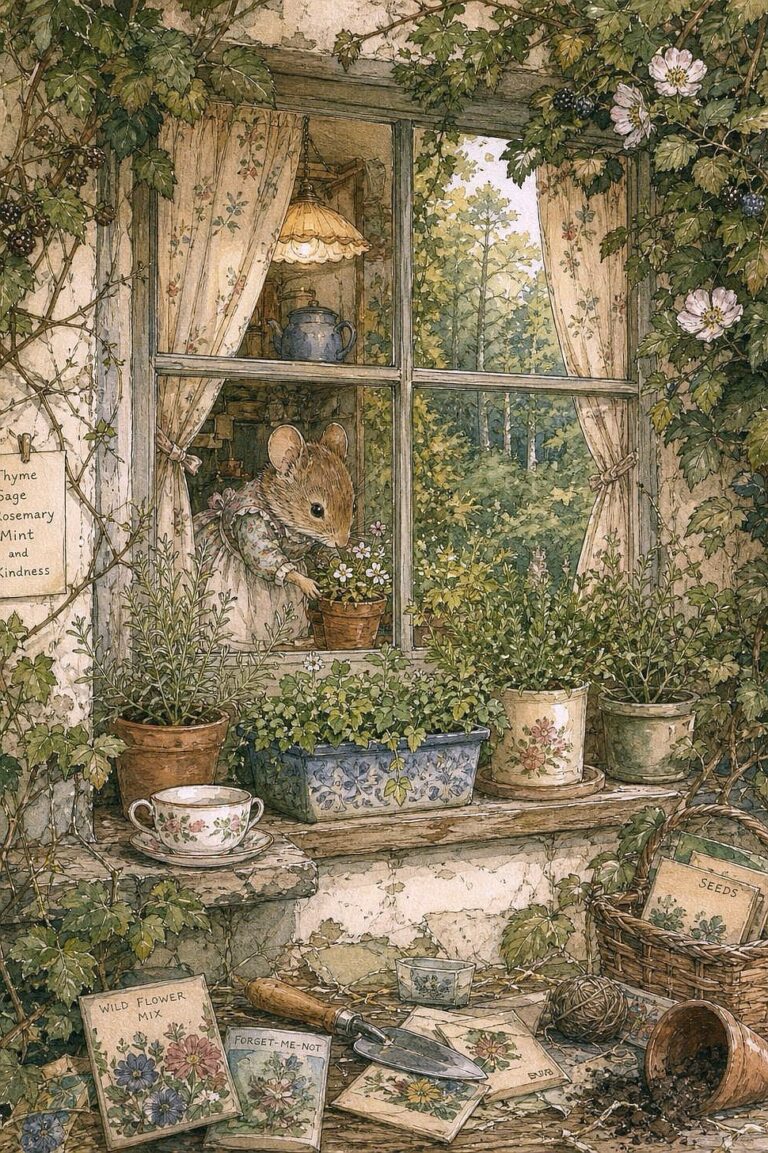
Mouse house art is pure delight if you love tiny details. It turns ordinary domestic objects into a whole world scaled down: walnut shell bowls, spool tables, postage-stamp pictures, acorn cups, and staircases tucked into walls. These scenes feel playful, but they also feel incredibly thoughtful.
What makes mouse house art so appealing is how much personality can fit into a tiny space. A mouse pantry, sewing corner, or sleeping loft can tell you a lot about the characters who live there. This kind of children’s book art is perfect for anyone who loves miniature worlds, hidden homes, and illustrations packed with charming little discoveries.
9. Fox and Forest Scenes
Foxes bring a slightly wilder energy to whimsical art, but they still feel warm and story-rich. A fox walking through birch trees, curling up under ferns, or appearing at the edge of a moonlit clearing adds elegance and mystery to a piece. They can feel clever, solitary, and graceful all at once.
In storybook illustration, foxes often work beautifully with earthy color palettes like rust, moss, cream, and deep brown. Forest details matter here: mushrooms, roots, berries, leaves, and soft undergrowth help create the atmosphere. A fox scene can lean cozy or magical depending on the light and the surrounding setting.
10. Deer in Magical Woodland Settings
Deer bring a calm, almost dreamlike beauty to fairytale art. They tend to make a scene feel hushed and slightly enchanted, especially when they appear in misty woods, moonlit glades, or flower-filled clearings. Their shape alone adds grace to an image.
These scenes often feel less domestic than cottage or mouse house illustrations, but they are just as storybook-like. A deer beside glowing lanterns, under hanging branches, or near a hidden garden gate can become the quiet center of an illustration. In magical art, deer often represent wonder, gentleness, and the feeling that something lovely is just about to happen.
11. Birds in Storybook Gardens
Birds add movement and sweetness to storybook illustrations in such a natural way. You can place them on teacups, garden gates, window ledges, laundry lines, or rose branches, and they instantly make the scene feel more alive. Robins, wrens, bluebirds, and sparrows all bring a slightly different mood.
In cozy art, birds often pair beautifully with gardens and cottages. They can make a space feel peaceful and cared for. In more whimsical storybook illustrations, they might carry ribbons, tiny letters, or bits of thread for a nest. Those small imaginative touches can make a familiar garden scene feel quietly magical.
12. Hedgehog and Squirrel Illustrations
Hedgehogs and squirrels bring a lot of personality into children’s book art. Hedgehogs often feel gentle, tucked-away, and cozy, especially in autumn scenes with leaves, mushrooms, and warm earthy tones. Squirrels, on the other hand, can feel busy, bright-eyed, and a little mischievous.
Both work wonderfully in woodland illustration because they suit detailed natural settings. A hedgehog with a tiny satchel, or a squirrel arranging acorns near a hollow tree, can carry a whole mood by itself. These animals are especially charming in vintage storybook art where the linework, texture, and muted colors give them a soft, timeless feeling.
Magical Forest and Garden Scenes
Some of the most memorable storybook illustrations are not centered on a character at all, but on a place. An enchanted forest path, a hidden gate, a patch of mushrooms under old trees, or a moonlit garden can carry just as much emotion as a figure. These spaces feel full of possibility. They suggest that if you walk a little farther, turn a little corner, or part a cluster of branches, you might find something secret and wonderful.
13. Enchanted Forest Paths
A forest path is one of the simplest and strongest storybook images. It creates direction, mystery, and mood all at once. Whether the trail is lined with ferns, fading into fog, or dappled with sunlight, it encourages the viewer to imagine what lies ahead.
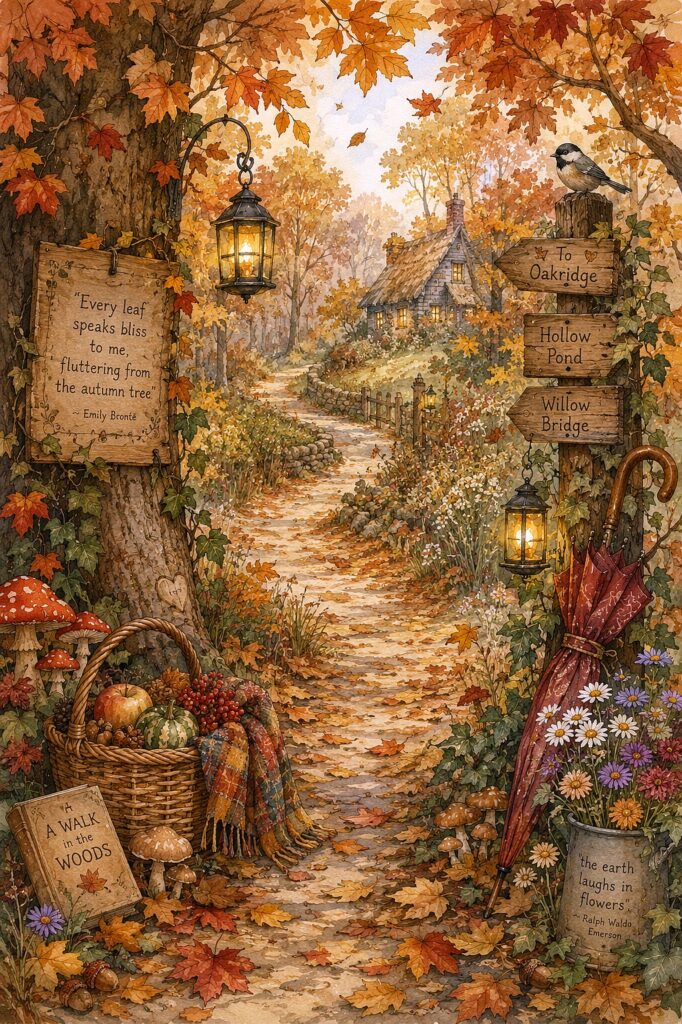
These scenes work especially well when the path feels slightly hidden or overgrown. Curving roots, low branches, stepping stones, and tiny lanterns can make the setting feel magical without losing its softness. In woodland illustration, a path is never just a path. It becomes an invitation into the world of the picture.
14. Mushroom and Moss Illustrations
Mushrooms and moss are tiny details, but they do so much work in cozy storybook art. They make a setting feel damp, old, secret, and alive. A cluster of toadstools near a stump or a moss-covered stone wall can instantly make a scene feel more magical and more believable.
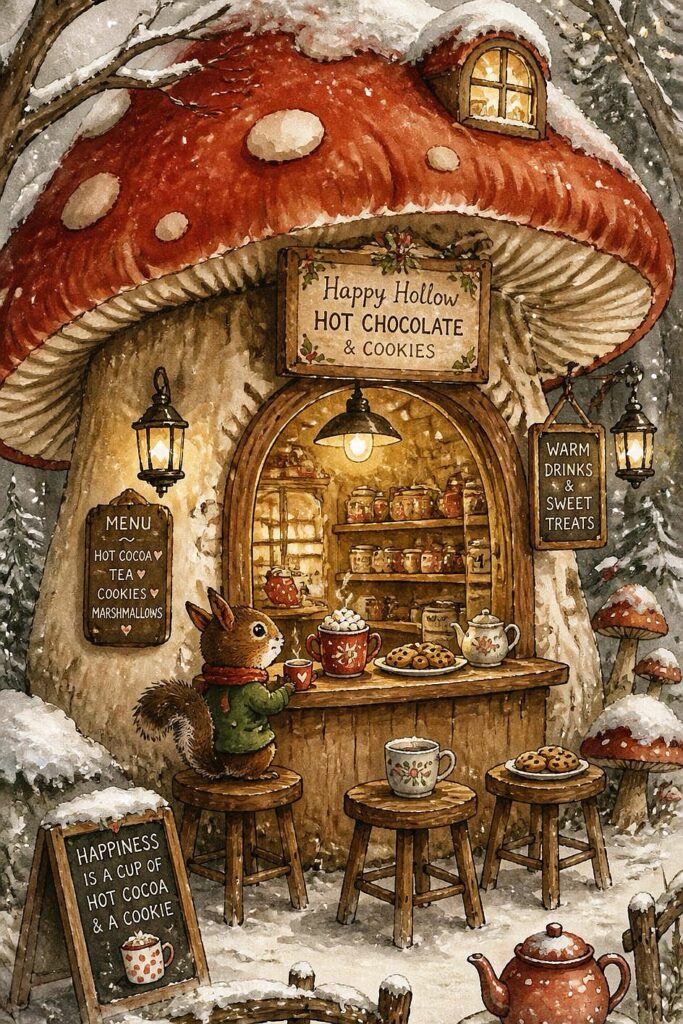
This kind of fairytale art often leans into texture. Velvety greens, speckled caps, curling leaves, and bits of bark help build a rich natural surface. Mushroom scenes can be realistic and woodland-based, or they can be pushed into more whimsical art with oversized caps, glowing spores, or tiny fairy-like details.
15. Secret Garden Gates
A gate in a wall or hedge always feels promising in storybook illustration. It suggests privacy, discovery, and the idea that there is a beautiful place just beyond view. Even before you see what is behind it, the gate itself becomes part of the magic.
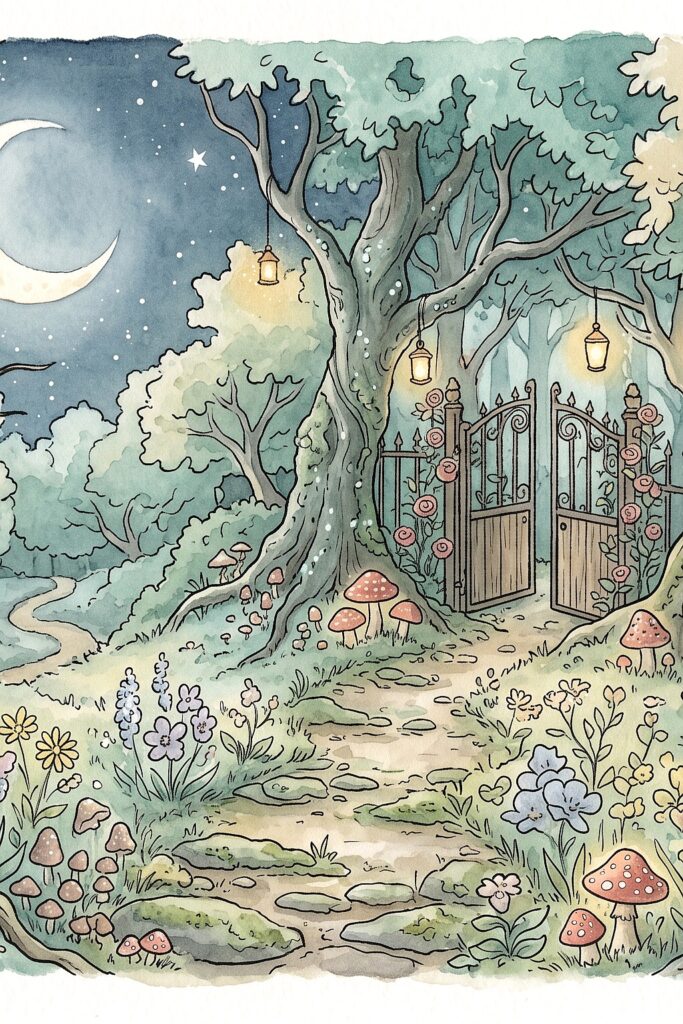
Secret garden scenes often shine when they include aged stone, climbing roses, ivy, rusted hinges, and soft filtered light. They can feel elegant, overgrown, and slightly forgotten. In vintage storybook art, this kind of image often carries a lovely hush, as if the garden has been waiting patiently to be found.
16. Wildflower Meadow Art
Wildflower meadows bring brightness and softness into children’s book art. They feel open and breezy, but still intimate when handled with delicate detail. Daisies, buttercups, poppies, cornflowers, and Queen Anne’s lace can create a dreamy field of color that feels both natural and gently romantic.
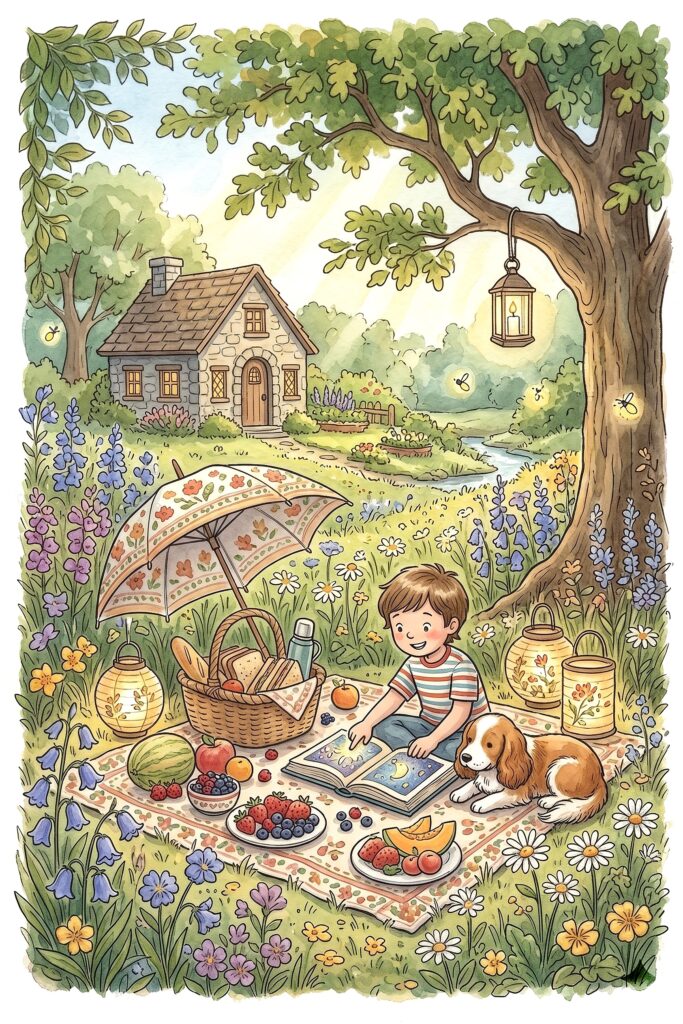
These scenes often work beautifully with rabbits, birds, children, and cottage views in the distance. In storybook illustrations, meadows can be cheerful or wistful depending on the light. Soft watercolor washes and loose floral textures make them especially fitting for vintage children’s book illustration.
17. Fairy Garden Corners
Not every magical scene needs a full fairy character to feel enchanted. Sometimes a tucked-away garden corner with tiny steps, glowing lanterns, miniature doors, trailing vines, and a few mysterious objects is enough. That sense of scale and secrecy is what gives the scene its charm.
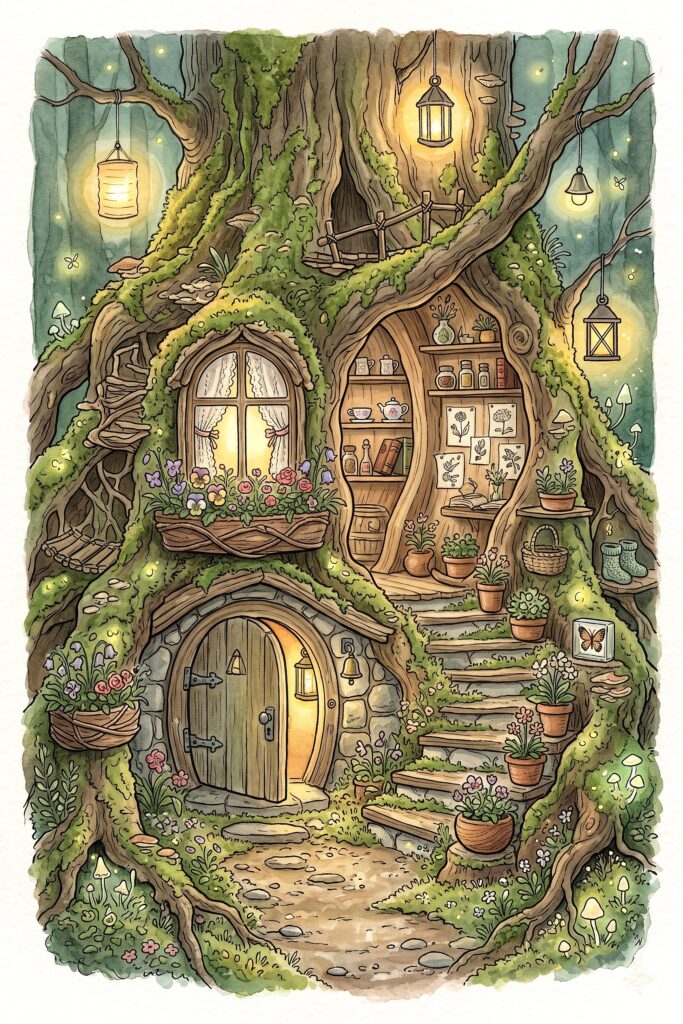
Fairy garden corners are ideal if you love cozy storybook art with a tiny-world feeling. Broken flowerpots turned into houses, pebble paths, hanging lights, and hidden benches all make the space feel special. They invite close looking, and that is one of the nicest qualities in whimsical storybook illustrations.
18. Moonlit Woodland Scenes
Moonlight changes everything in storybook art. A familiar forest suddenly feels quiet, silvery, and full of hidden life. Trees become softer, shadows deepen, and tiny points of light stand out more clearly. It is an easy way to make a woodland scene feel magical without making it dramatic.
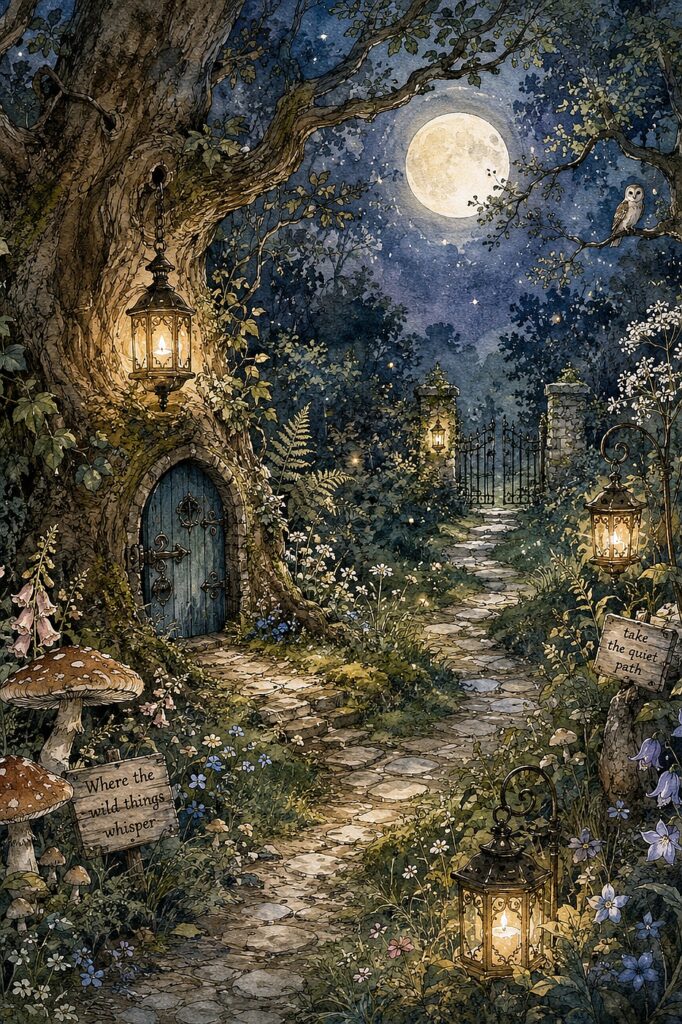
Moonlit scenes often work best with restrained color palettes: blue-gray, soft green, cream, and muted violet. A deer in a clearing, a cottage in the distance, or lanterns glowing among the trees can create a lovely contrast. This kind of magical art feels dreamy, reflective, and slightly timeless.
Vintage Children’s Book Style Art
There is a reason so many people feel drawn to vintage children’s book illustration. It has a softness and sincerity that still feels fresh. The colors are often muted rather than loud. The linework feels human. The paper texture shows through. Even when the subjects are simple, the overall effect is full of warmth and personality.
Vintage storybook art often relies on soft watercolor, ink outlines, faded color palettes, and hand-drawn decorative touches. The pages feel intimate, as if they were made slowly and with care.
19. Soft Watercolor Storybook Scenes
Soft watercolor scenes have an airy, delicate quality that suits storybook illustration beautifully. The edges blur a little, colors melt into each other, and the overall image feels light in the hand. That softness gives cottage gardens, nurseries, woodland paths, and character scenes a dreamy emotional pull.
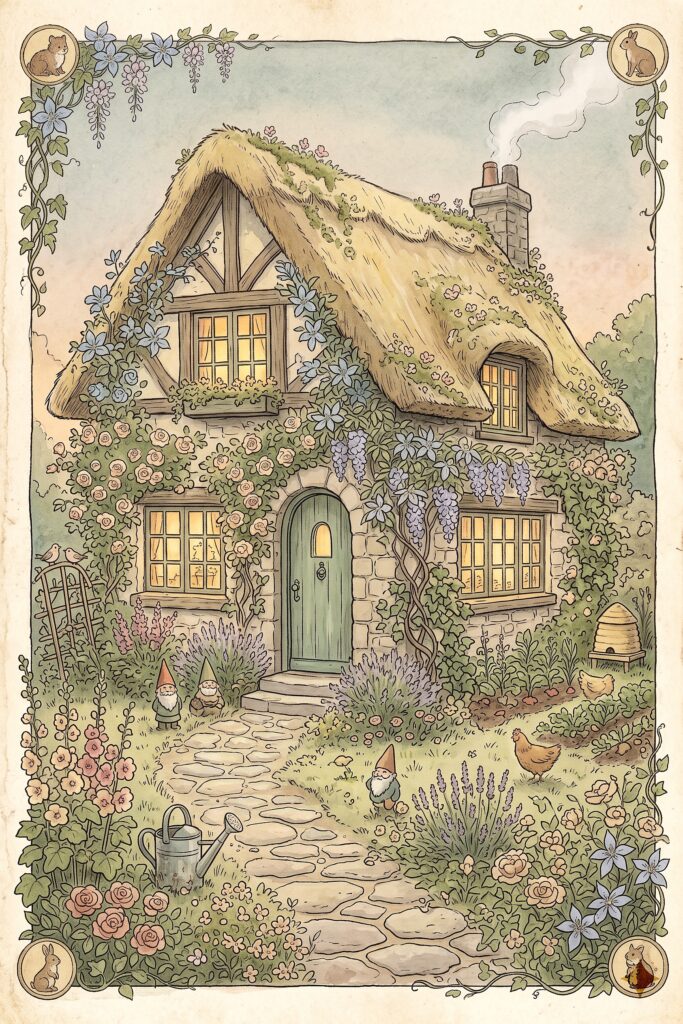
This approach works especially well for cozy art because it avoids harshness. Pale washes, warm cream paper, and subtle layering make everything feel gentler. Even a simple subject like a basket of flowers near a windowsill can feel rich with atmosphere when treated this way.
20. Ink and Watercolor Illustrations
Ink and watercolor together create one of the classic looks of vintage children’s book art. The ink gives structure and character, while the watercolor keeps the image soft and inviting. That balance is part of what makes these storybook illustrations feel so memorable.
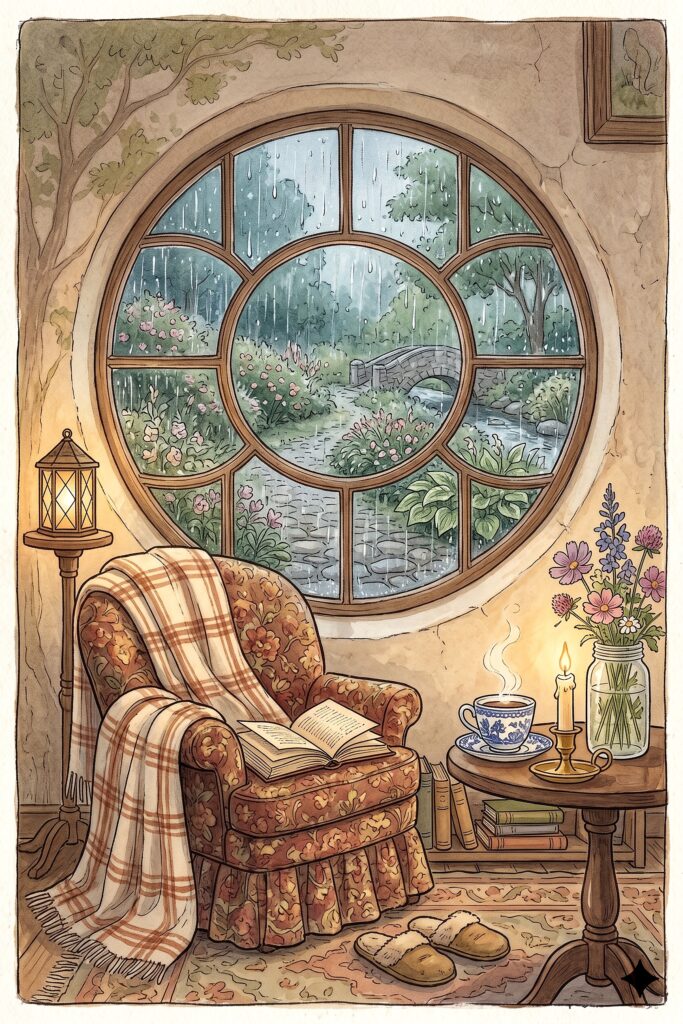
Fine outlines around leaves, clothing, furniture, and animal faces help tiny details stand out without losing warmth. This style is especially lovely for woodland illustration, nursery scenes, and domestic interiors. It allows for charm and clarity at the same time, which is why it still feels so timeless.
21. Faded Vintage Color Palettes
A faded palette can completely shift the mood of an illustration. Dusty rose, sage green, butter yellow, pale blue, soft brown, and muted red all feel instantly nostalgic when used together. They recall old books, worn fabrics, and painted pages that have softened over time.
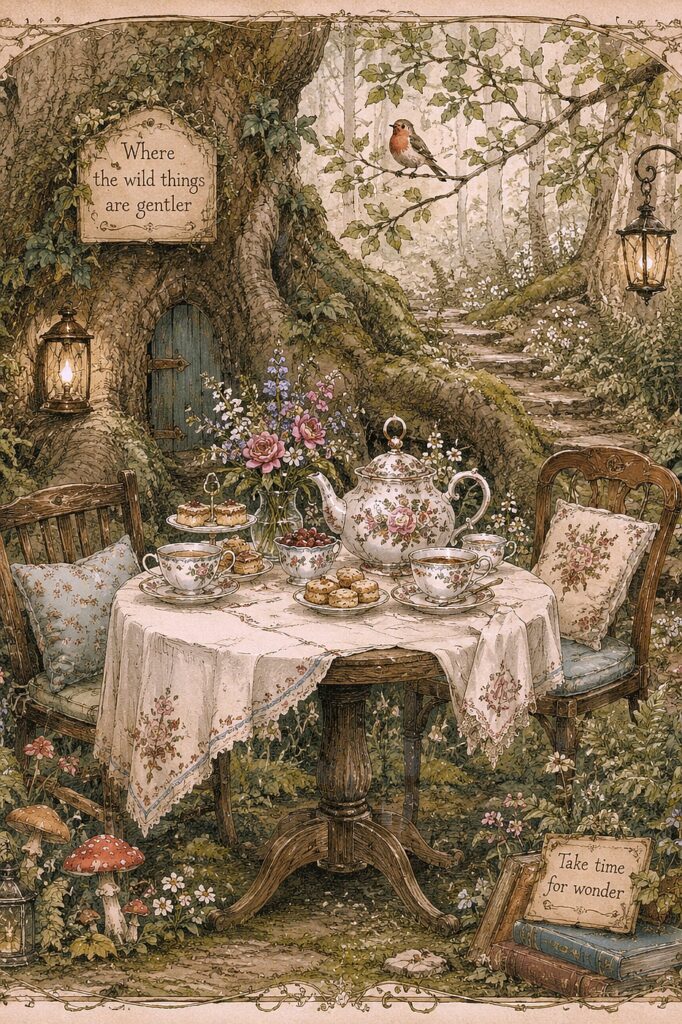
These colors are a big part of what gives vintage storybook art its comforting quality. They feel gentle on the eye and help even busy scenes feel calm. If bright fantasy palettes feel too sharp for the mood you want, these quieter tones can make storybook art feel more tender and lived in.
22. Old-Fashioned Book Plate Art
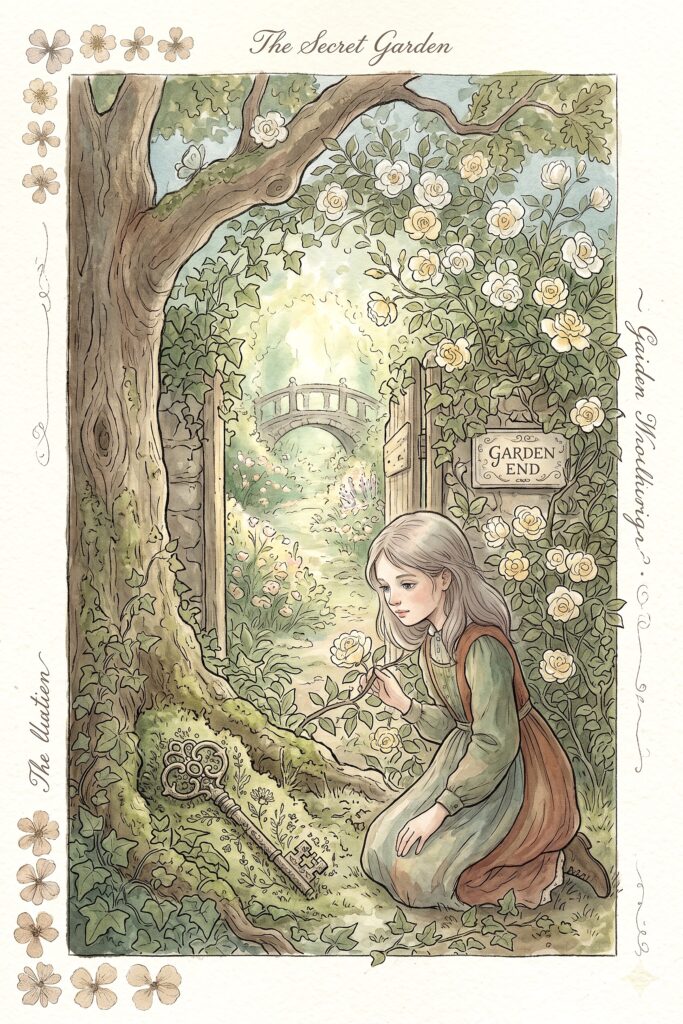
Book plate-style illustrations have a charming sense of design. They often feel framed, centered, and thoughtfully composed, as if they belong on the title page of a beloved old book. You might imagine a single rabbit, a floral border, a cottage crest, or a small seasonal scene paired with lettering.
This kind of children’s book art is especially lovely if you enjoy decorative compositions. It has a formal, collected feeling while still staying warm and whimsical. It can also add a vintage literary mood to otherwise simple storybook scenes.
23. Illustrated Borders and Decorative Frames
Decorative borders can make an illustration feel like a treasured keepsake. Vines, berries, ribbons, tiny birds, acorns, stars, and floral motifs all help frame the scene and give it that old storybook page feeling. They make the artwork feel complete and slightly ceremonial.
In whimsical storybook illustrations, borders can be subtle or elaborate. Either way, they add rhythm and ornament. They are especially effective in fairytale art and nursery-style scenes, where the frame itself becomes part of the charm rather than just a finishing touch.
24. Classic Nursery Illustration Style
Nursery illustration style often leans soft, sweet, and a little dreamy. Think rounded shapes, gentle expressions, toy-like details, and tender domestic moments. A child with a book, a line of ducks, a moon through the window, or a sleepy bear in pajamas can all fit beautifully here.
This style of children’s book art feels comforting because it is built around safety and warmth. The colors are usually soft, the settings are simple, and the emotions are easy to read. It is a lovely corner of storybook illustration for anyone drawn to innocence, nostalgia, and quiet charm.
Tiny Worlds and Hidden Homes
Tiny worlds are one of the great joys of storybook art. There is something irresistible about a home tucked inside a tree stump, a shelf-lined mouse house, or a burrow furnished with miniature chairs and acorn cups. These scenes make you want to lean closer and inspect every corner. They reward attention, and that sense of discovery is a big part of their charm.
Miniature homes also bring together two things people love most in cozy storybook art: intimacy and imagination. A hidden room inside a hollow tree feels impossible and believable at the same time. You know it is make-believe, but the details make it feel real enough to visit.
25. Tree Stump Homes
A tree stump home is such a classic fairytale image because it feels rooted in nature and full of character. The rough bark outside contrasts beautifully with the imagined warmth inside. Add a round window, a tiny curtain, a little stair, or smoke curling from a makeshift chimney, and suddenly the whole stump feels alive.
These illustrations often work best when the outside world is just as detailed as the home itself. Ferns, moss, pebbles, mushrooms, and fallen leaves help ground the fantasy. It is the mix of realism and invention that makes these scenes so satisfying.
26. Hollow Tree Rooms
Hollow tree rooms feel especially magical because they turn the inside of a living thing into a shelter. Shelves carved into wood, winding stairs, hanging lanterns, stacked books, and curved walls all create a soft enclosed atmosphere that feels different from an ordinary house.
This kind of storybook illustration often has wonderful organic shapes. Nothing needs to be perfectly straight or symmetrical. That natural unevenness gives the room warmth and personality. It is a perfect fit for whimsical storybook illustrations that want to feel handmade and imaginative.
27. Acorn and Mushroom Furniture
Acorn caps, mushroom tops, walnut shells, seed pods, and curled leaves make delightful miniature furniture in tiny-world storybook art. These details turn natural objects into something domestic and surprising. A mushroom stool or acorn teacup is instantly charming because it feels both clever and cozy.
This idea works especially well in children’s book art centered on forest creatures or hidden fairy-like homes. The objects themselves become part of the storytelling. They suggest a world where resourcefulness, nature, and whimsy are all woven together.
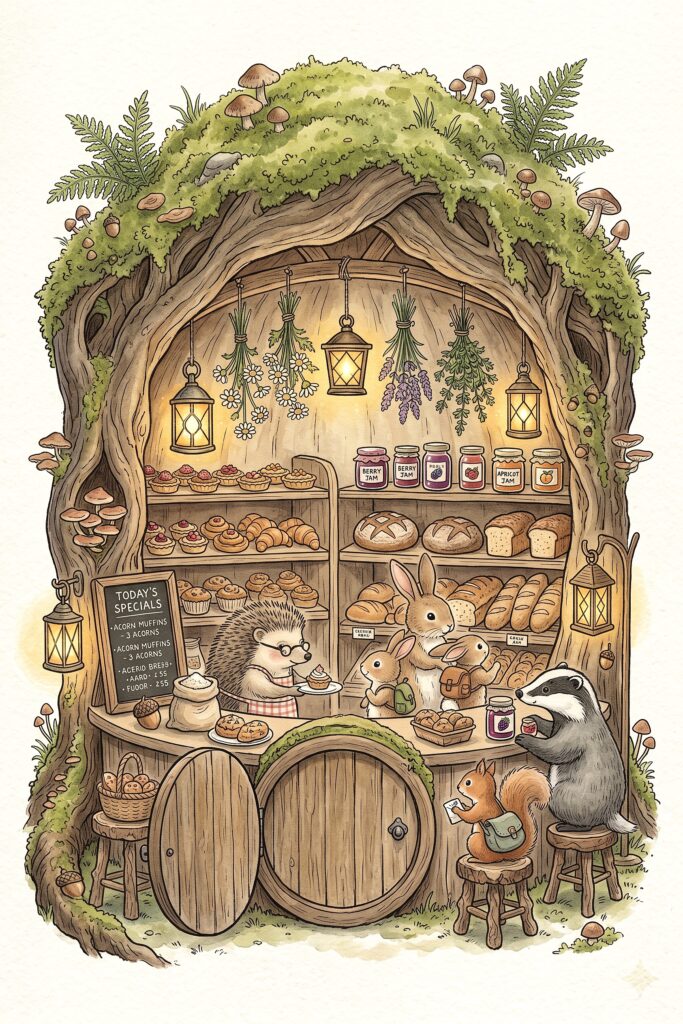
28. Tiny Pantry Illustrations
Tiny pantry scenes are full of visual pleasure. Little jars, berry preserves, seed sacks, hanging herbs, miniature baskets, loaves of bread, and carefully arranged shelves make these spaces feel abundant and cared for. They bring the quiet comfort of domestic life into a fantastical setting.
What I love about this kind of cozy storybook art is how peaceful it feels. A pantry is not dramatic, but it says so much about the world and the character living there. It suggests routine, preparation, comfort, and home. Those are powerful ingredients in storybook illustration.
29. Cozy Burrow Art
Burrows feel softer and more tucked away than many other little homes. Dug into hillsides or hidden among roots, they have an underground warmth that feels especially comforting. Round doors, low ceilings, layered blankets, shelves of jars, and tiny lamps all suit this kind of scene beautifully.
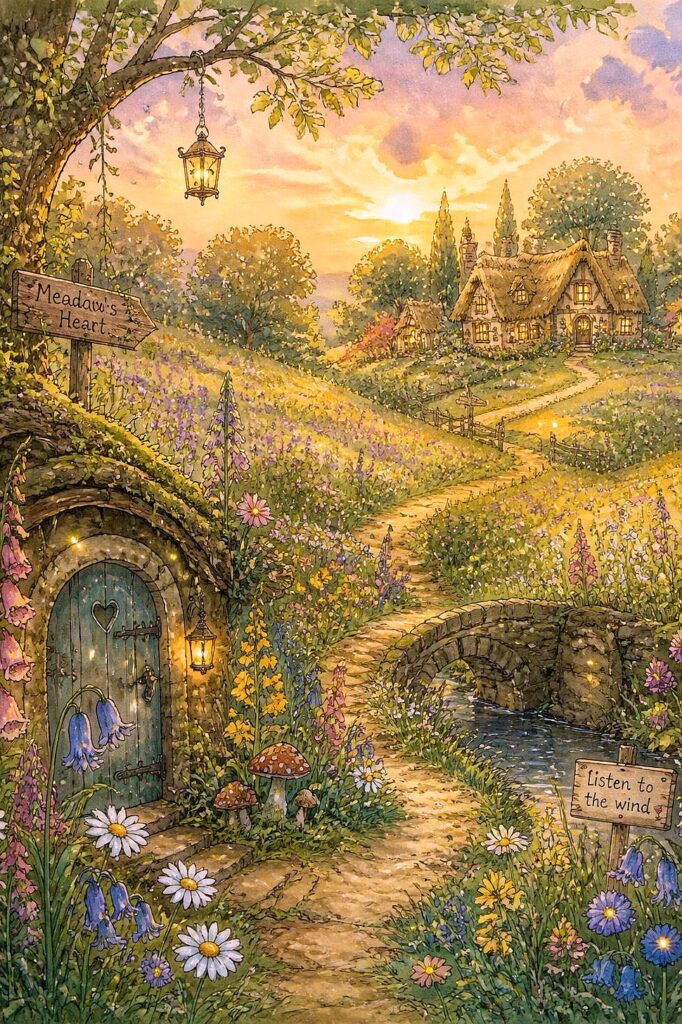
Cozy burrow art often carries a sense of protection and quiet. Rain can fall outside, wind can move through the grass overhead, and the inside still feels safe. That contrast makes burrow scenes especially strong in cozy art and magical art alike.
30. Miniature Storybook Villages
A miniature village takes the hidden-home idea and expands it into a whole community. Tiny cottages clustered around a path, lantern-lit bridges, market stalls, little gardens, and winding lanes can make a scene feel rich with life. It is like peeking into a secret settlement no one else has noticed.
These scenes are wonderful for storybook art inspiration because they offer so much variety. You can make them woodland-based, floral, seasonal, or fairytale-like. The best ones often combine many small details into a larger view that still feels intimate and warm.
Whimsical Character and Fairy Tale Moments
Some storybook illustrations stay with you because of the place. Others stay with you because of the person, or animal, at the center of the scene.
A child reading under a blanket, a rabbit pouring tea, a girl walking with a fox, or a figure standing near a faraway tower can all hint at a larger story without spelling it out. That is one of the loveliest things about character-driven storybook art.
31. Children Reading in Storybook Settings
A child reading in a cozy corner is such a classic image because it reflects the feeling storybook art creates in the first place. There is a lovely circular magic to it. A child inside a story, while we look at them from another story, feels immediately tender and nostalgic.
These scenes can take place in window seats, under quilts, in attic rooms, in gardens, or beneath trees. Books stacked nearby, slippers on the floor, soft lighting, and peaceful surroundings all help. This kind of children’s book art feels especially comforting because it celebrates imagination itself.
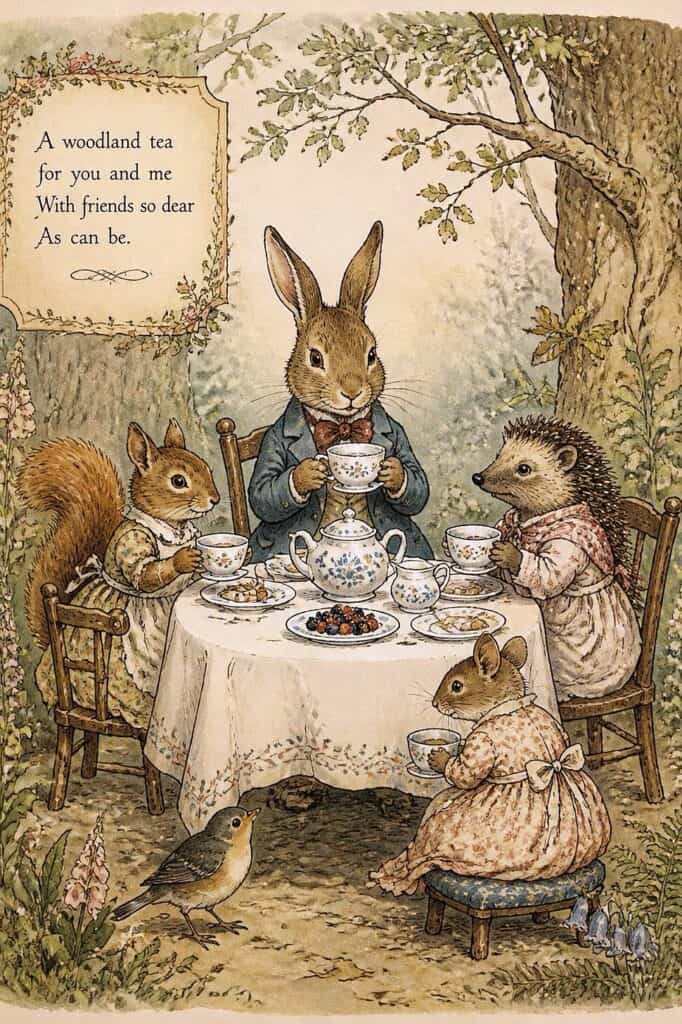
32. Tea Party Illustrations
Tea party scenes have a playful charm that fits whimsical art perfectly. They can be sweet and domestic, slightly absurd, or gently elegant depending on the setting. Animals gathered around a tiny table, floral cups in a garden, or pastries arranged on mossy stones all create a sense of delight.
What makes these scenes work is the contrast between formality and fantasy. A proper table setting in the middle of the woods or beside a cottage path feels inherently storybook-like. It suggests celebration, friendship, and a bit of nonsense in the nicest way.
33. Fairy Tale Cottage Scenes
A fairy tale cottage scene often feels a touch more dramatic than an everyday cottage illustration. The roof may be steeper, the woods darker, the path more hidden, or the setting a little more enchanted. It still feels cozy, but there is often a hint of mystery at the edges.
These scenes are wonderful for blending cozy storybook art with magical art. A cottage in the woods at twilight, a lantern by the door, or a single figure approaching through mist can create that fairytale mood without becoming too dark. It is atmosphere more than action.
34. Magical Companion Animals
A magical companion animal can make a character scene instantly more memorable. A fox walking beside a child, a white bird perched on a shoulder, or a tiny deer standing near a doorway all add emotional depth. These animals feel symbolic, comforting, and just a little enchanted.
In storybook illustration, companions often help suggest personality. They can make a figure seem brave, gentle, lonely, curious, or protected. They also tie the human and natural parts of the scene together in a very organic way, which is why they work so well in fairytale art.
35. Gentle Adventure Scenes
Not every adventure needs danger. Some of the most beautiful storybook illustrations show small journeys instead: walking down a lantern-lit path, crossing a little bridge, carrying a basket through a meadow, or setting off with a satchel and a companion. These scenes feel hopeful rather than intense.
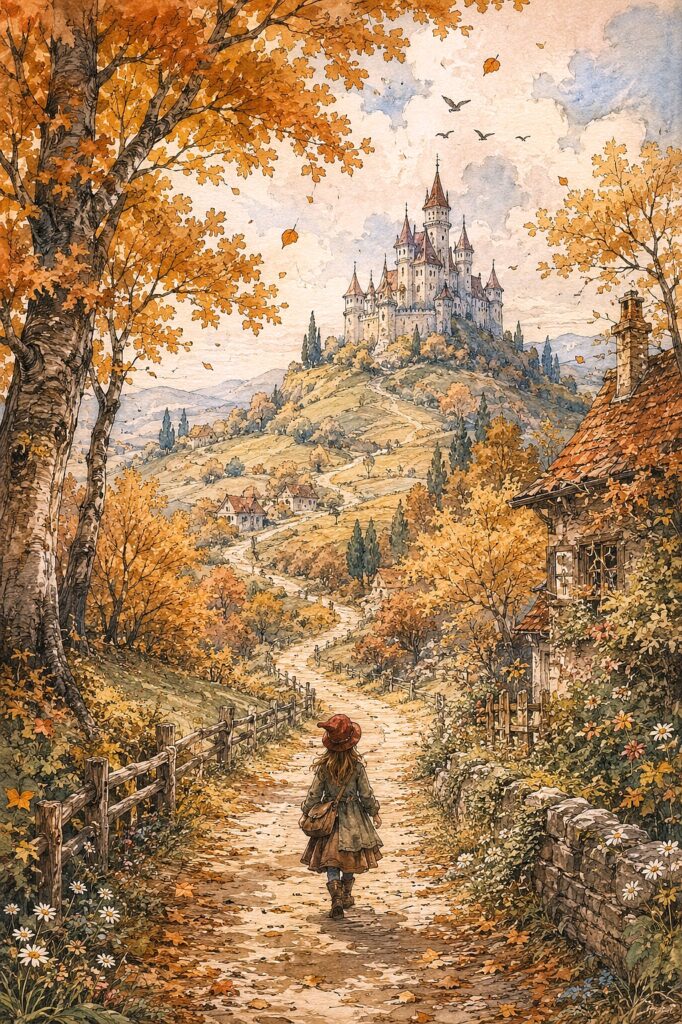
Gentle adventure works especially well in children’s book art because it leaves room for wonder. The viewer gets the feeling of movement and possibility without losing the coziness of the world. It is a lovely middle ground between domestic scenes and epic fantasy.
36. Dreamy Castle and Tower Art
Castles and towers can still feel soft and storybook-like when they are treated with a dreamy hand. Instead of sharp drama, think distant towers half-hidden by trees, ivy-covered stone, soft clouds, moonlight, and tiny lit windows. The result feels romantic and imaginative rather than grand.
This type of magical art is especially good for adding fairytale atmosphere to a collection of inspiration. A tower on a hill, a bridge over water, or a little figure looking up at a castle can bring a sense of wonder and longing into the page.
Seasonal Storybook Art Ideas
One of the nicest things about storybook art is how naturally it shifts with the seasons. The same cottage, woodland path, or tiny room can feel completely different in spring rain, golden summer light, autumn leaves, or winter snow. Seasonal changes bring fresh colors, textures, and moods into familiar scenes, which is probably why they are so easy to return to again and again.
37. Spring Garden Storybook Art
Spring storybook art often feels fresh, tender, and full of promise. Budding branches, daffodils, watering cans, seed packets, garden aprons, and pale morning light all help create that mood. It is a season of beginnings, and that feeling comes through beautifully in illustration.
These scenes work well with rabbits, birds, cottage gardens, and children’s book art settings. Soft greens, creamy whites, pale pinks, and gentle yellows make everything feel light and hopeful. Spring illustrations are especially lovely when they focus on small signs of life returning.
38. Summer Picnic Illustrations
Summer picnic scenes bring a cheerful softness that fits whimsical storybook illustrations beautifully. Blankets in the grass, baskets, strawberries, lemonade, wildflowers, and dappled sunlight all create a relaxed, abundant feeling. These are scenes that feel easy to step into.
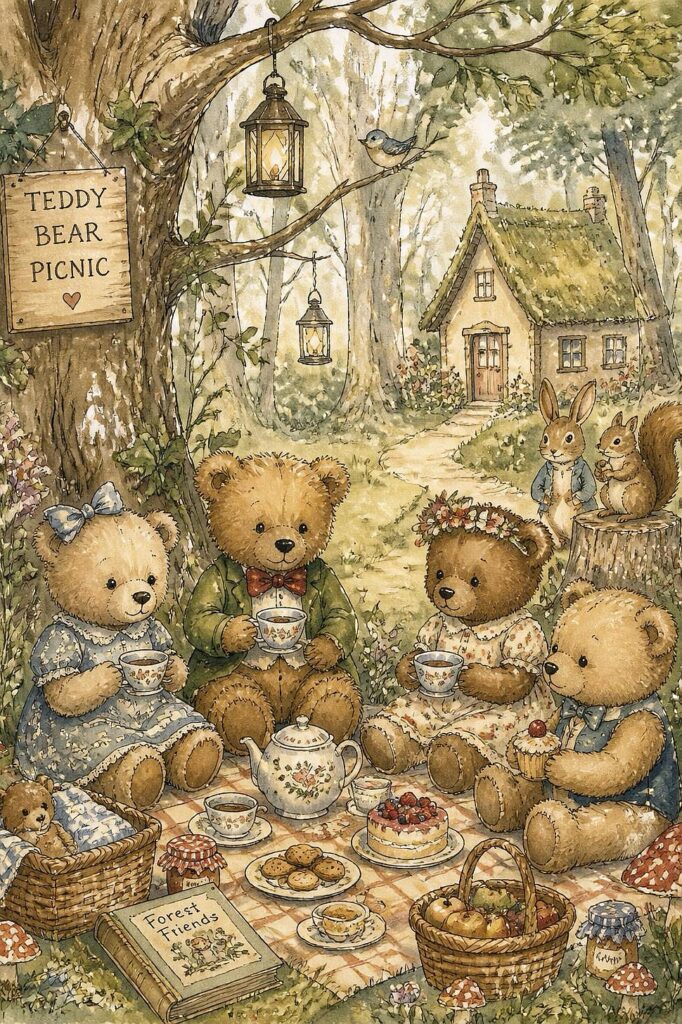
What makes them especially charming is the sense of leisure. A picnic suggests friendship, rest, and warm weather without needing much else. Add birds nearby, a little pond, a child with a book, or woodland animals peeking from the edges, and the whole scene becomes even sweeter.
39. Autumn Woodland Scenes
Autumn may be the most naturally storybook season of all. Leaves turn copper and gold, mushrooms appear, scarves come out, and the woods feel rich with texture. Hedgehogs, foxes, squirrels, baskets, lanterns, and misty mornings all seem perfectly at home here.
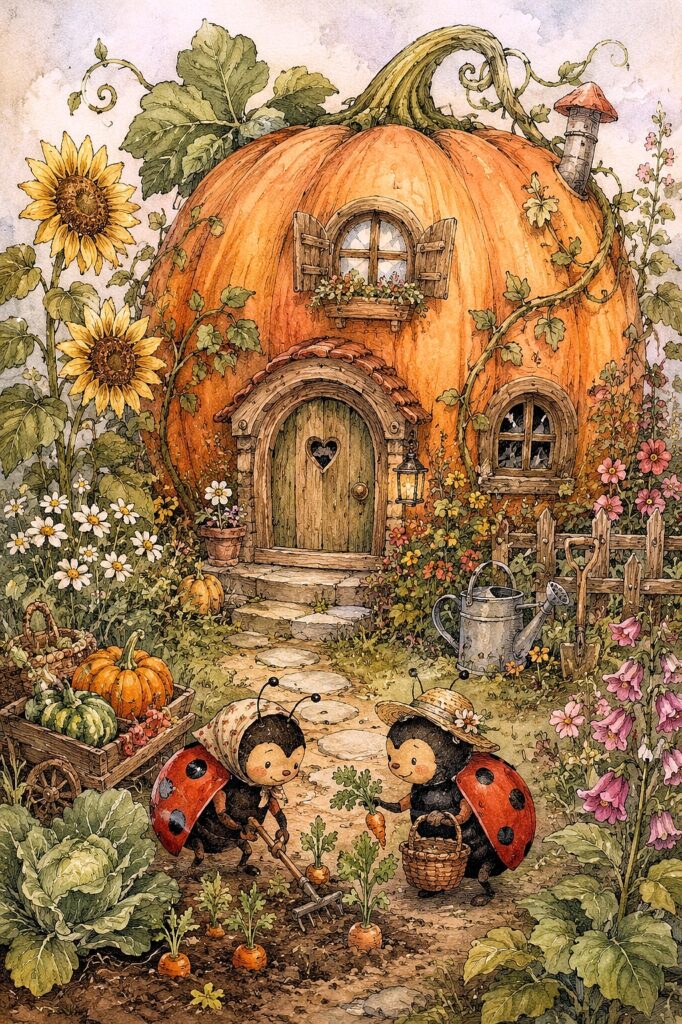
Autumn woodland illustration has a deep cozy pull because it mixes beauty with a slight sense of change. The colors are warm, but there is also a little wistfulness. That balance gives these scenes emotional depth and makes them especially popular in cozy storybook art.
40. Rainy Day Storybook Interiors
Rainy interiors are such a comfort in storybook illustration because they focus on contrast. The weather outside may be gray and wet, but indoors everything feels warmer: tea steaming in cups, books on tables, knitted blankets, lamps glowing, and windows fogged at the edges.
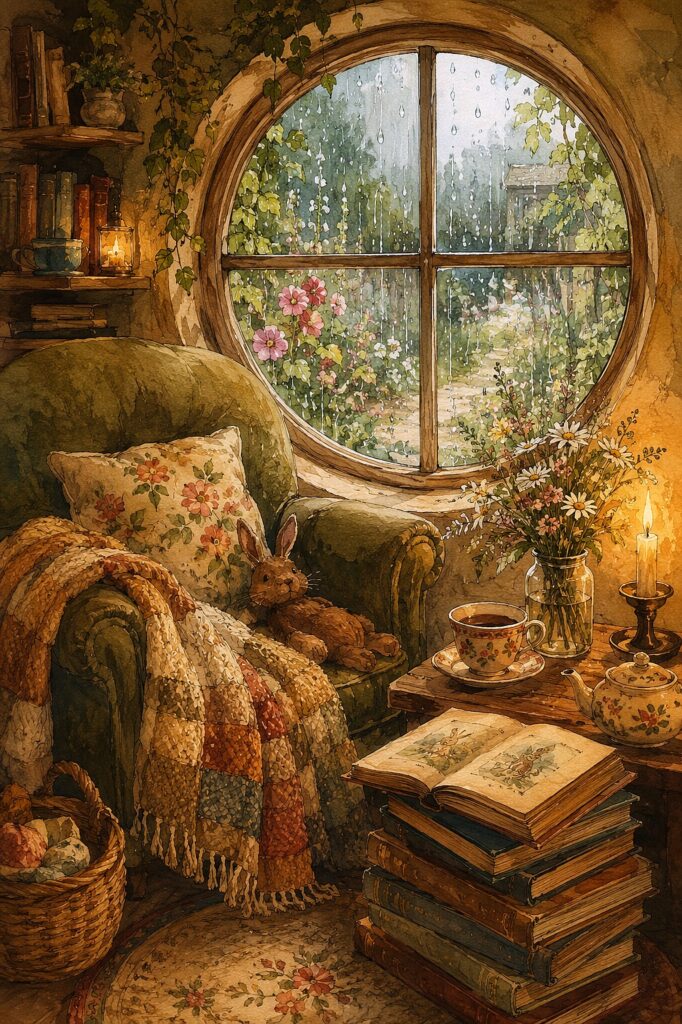
This type of cozy art is all about atmosphere. Puddles outside, raindrops on the panes, and dim blue light beyond the glass make the inside feel even more inviting. It is a wonderful setting for cottages, burrows, mouse houses, and quiet reading scenes.
41. Winter Cottage Illustrations
Winter cottage scenes have that classic storybook magic people return to every year. Snow on rooftops, smoke from chimneys, lantern light, frosted windows, evergreen wreaths, and footprints in the snow all create a strong feeling of warmth and shelter.
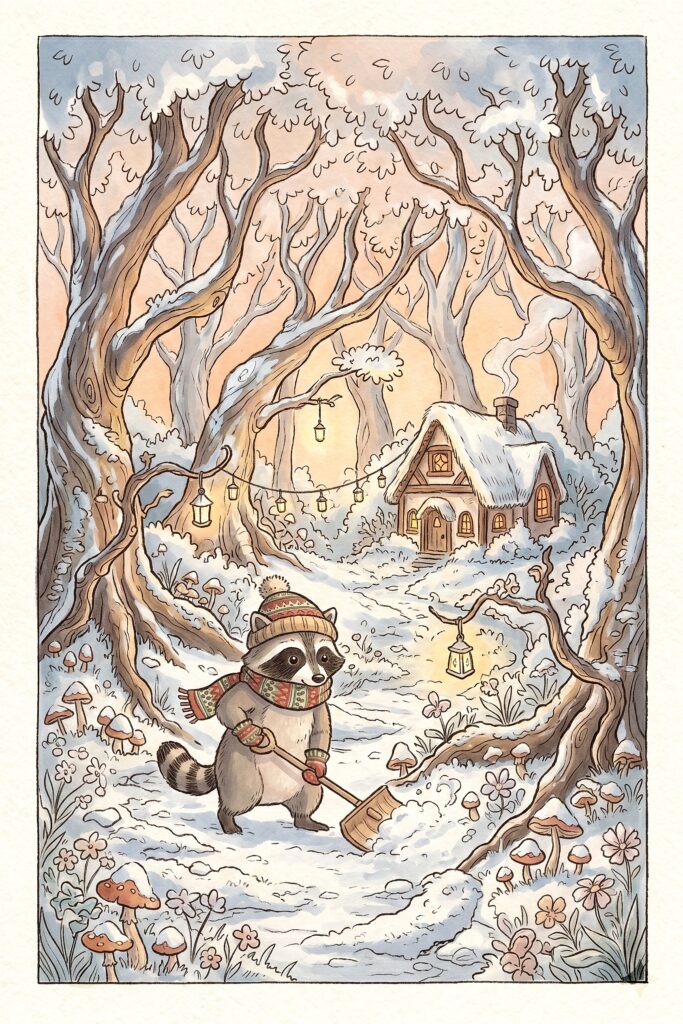
These illustrations often work best when the cold outdoors and the cozy indoors are both visible in some way. That contrast does so much emotional work. In vintage storybook art, winter cottages often feel especially nostalgic, like pages from a holiday book you read many times as a child.
42. Christmas Storybook Art
Christmas storybook art brings together many of the coziest visual details at once: candles, stockings, wreaths, wrapped gifts, snowy paths, toy shops, decorated trees, and warm glowing windows. It can feel festive, gentle, and deeply nostalgic without becoming overly busy.
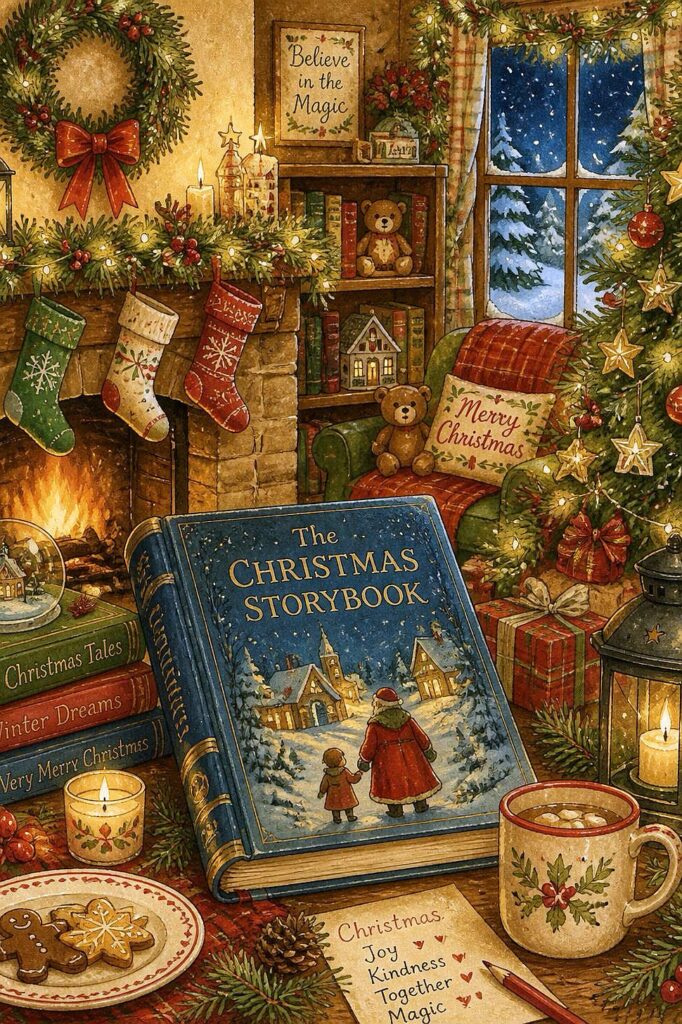
The nicest Christmas illustrations often keep that quiet storybook feeling intact. A child carrying a lantern, animals in the snow, a little cottage dressed for the season, or a softly decorated room can feel more magical than a crowded scene. That softness is what makes it linger.
How to Use These Storybook Art Ideas for Inspiration
The nicest thing about collecting storybook art inspiration is that you do not have to use it in only one way. These ideas can become the starting point for all kinds of creative projects, whether you are an illustrator, a hobby artist, a journal keeper, writing your own story, or just someone who loves gathering beautiful visual references.
One simple way to use them is by building themed sketchbook pages. You might devote a few pages to cozy cottage interiors, woodland animals, tiny hidden homes, or seasonal fairytale scenes.
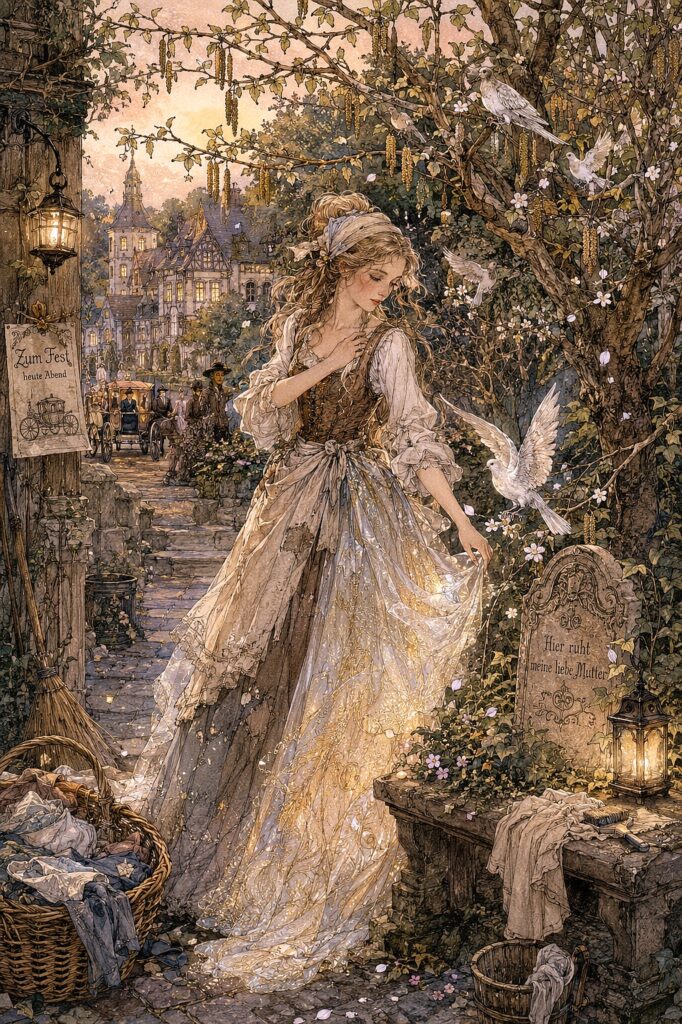
Not as a strict project, just as a visual world you want to spend more time with. Sometimes having a mood is more helpful than having a plan.
They also work beautifully for art moodboards. You can collect color palettes, textures, object details, clothing ideas, lighting references, and environmental elements from the types of storybook illustrations you love most.
If you enjoy illustration studies, these themes can help you pay attention to atmosphere, composition, and storytelling choices. A tiny pantry scene teaches different visual lessons than a moonlit forest or a flower-covered cottage. The point is not to copy a finished look, but to notice what gives it feeling.
These ideas can also spill into cozy home decor inspiration, journaling pages, seasonal vision boards, or character design concepts. A single rabbit in a blue coat, a secret garden gate, or a winter cottage can become the seed for a much bigger creative world.
A Magical Ending
Storybook art has a way of making ordinary things feel precious. A small front door, a mossy path, a rabbit in a garden, or a lamp glowing through a rainy window can hold more wonder than a grand fantasy scene when it is filled with warmth and care. That is the beauty of this style. It invites you to notice quiet magic.
If you are building a sketchbook theme, gathering visual references, or simply looking for cozy art to enjoy, I hope this list gave you plenty to return to. The best storybook illustrations often stay with us because of the details: the colors, the textures, the tiny objects, and the gentle feeling behind the scene.
A few ideas to keep in mind:
- Save the scenes that give you an immediate emotional reaction.
- Notice which details you love most, from lighting to flowers to hidden rooms.
- Revisit seasonal and vintage inspiration when you want fresh ideas with a familiar charm.
Come back to this list whenever you want a little more whimsical art, magical art, and cozy storybook art in your day. Sometimes all it takes is one lovely image to open the door to a whole new world.