37 Beautiful Botanical Illustrations for Vintage Art Inspiration
There is something endlessly lovely about botanical illustrations.
They feel quiet and detailed in a way that modern art often doesn’t, almost like stepping into an old greenhouse, opening a worn nature journal, or flipping through a field guide that has been loved for generations. You can see why so many artists come back to them again and again.
Part of the charm is how many worlds they bring together. Botanical drawings can feel scientific and precise, but also soft, romantic, and full of feeling.
They remind us of herbarium pages, watercolor studies, antique garden books, pressed flowers tucked into paper, and those beautifully labeled plant sketches that make even a single leaf look important.
I’ve always thought that vintage botanical art has a special kind of calm to it. It invites you to slow down and really look.
If you’re collecting botanical art inspiration for your next sketchbook page, painting session, collage project, or journal spread, this guide will give you plenty to explore.
From roses and wildflowers to mushrooms and old scientific botanical illustration, these ideas are full of vintage beauty.
>> 70 Inspired Art Pieces By Beatrix Potter Illustrations
Why Botanical Illustrations Make Beautiful Vintage Art Inspiration
Botanical illustrations have a timeless appeal because they sit right at the meeting point of art and observation.
They are detailed, graceful, and full of texture, but they also feel deeply grounded in nature. That balance is a big part of why they stay so popular with artists, decorators, and Pinterest users looking for beautiful references.
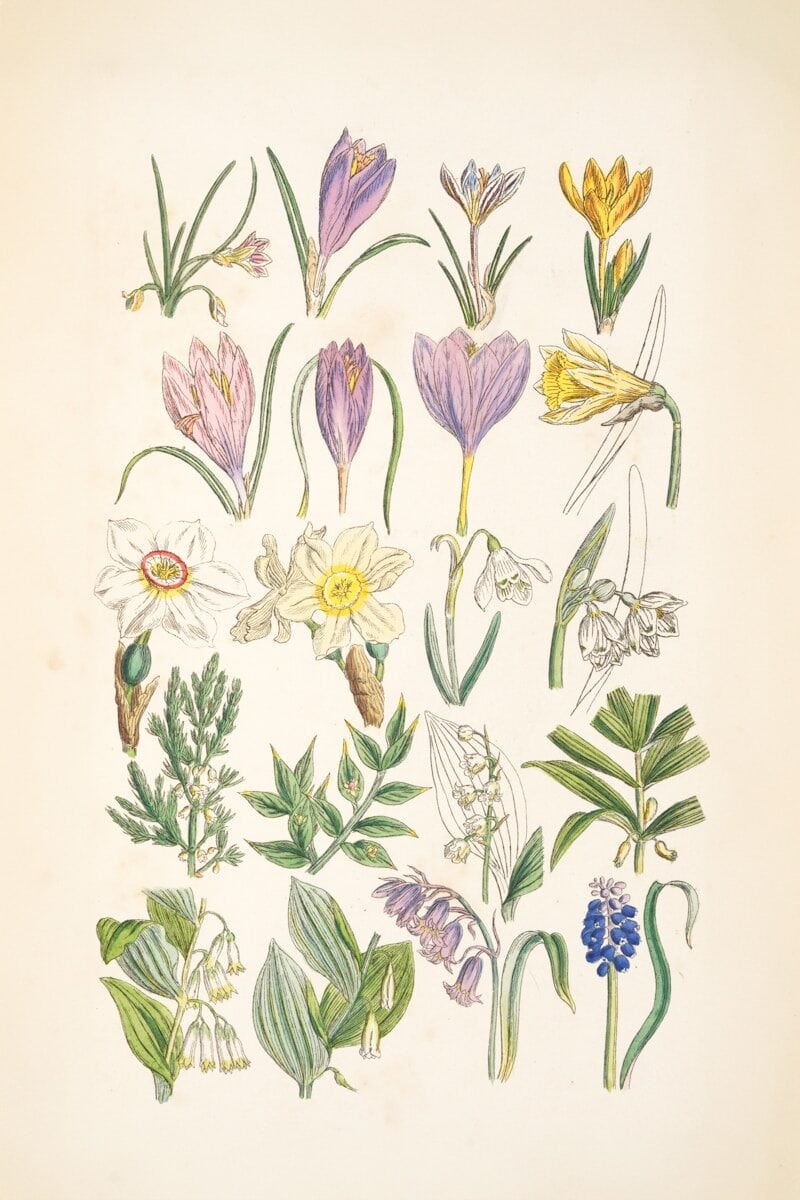
A lot of vintage flower art has that unmistakable softness people love. You see delicate linework, faded paper tones, handwritten notes, muted greens, dusty pinks, and pale washes of watercolor that make the whole piece feel collected rather than manufactured.
Even a simple stem with a few leaves can look elegant when it is arranged like an old botanical print.
There is also something calming about the format itself. Labeled plant studies, pressed-flower compositions, old specimen pages, and antique-style layouts all have a quiet rhythm to them.
They don’t shout for attention. They draw you in slowly, which is exactly why botanical illustrations work so well as art inspiration.
For creative people, that opens up so many possibilities. You can look at botanical drawings for color palette ideas, page layouts, linework, shape studies, or mood alone.
Whether you like neat scientific botanical illustration or loose watercolor botanical art, there is a vintage style that fits.
37 Beautiful Botanical Illustration Ideas
Botanical illustrations can go in so many directions, which is part of what makes them such a rich source of inspiration. Some feel elegant and romantic, some feel earthy and woodsy, and some lean more toward classic field-guide detail.
To make this easier to explore, these botanical illustration ideas are grouped by both subject and style. That way, if you are drawn to flowers, herbs, fruit, trees, or vintage botanical art with a certain mood, you can find the kind of inspiration that speaks to you most.
Vintage Rose Botanical Illustrations
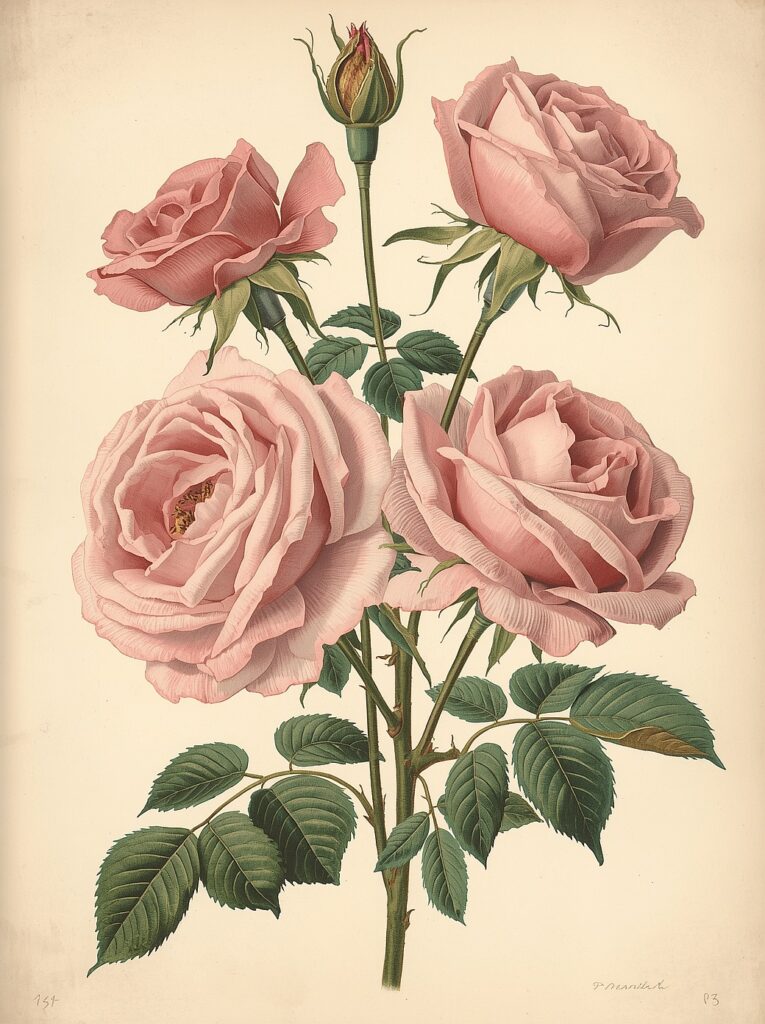
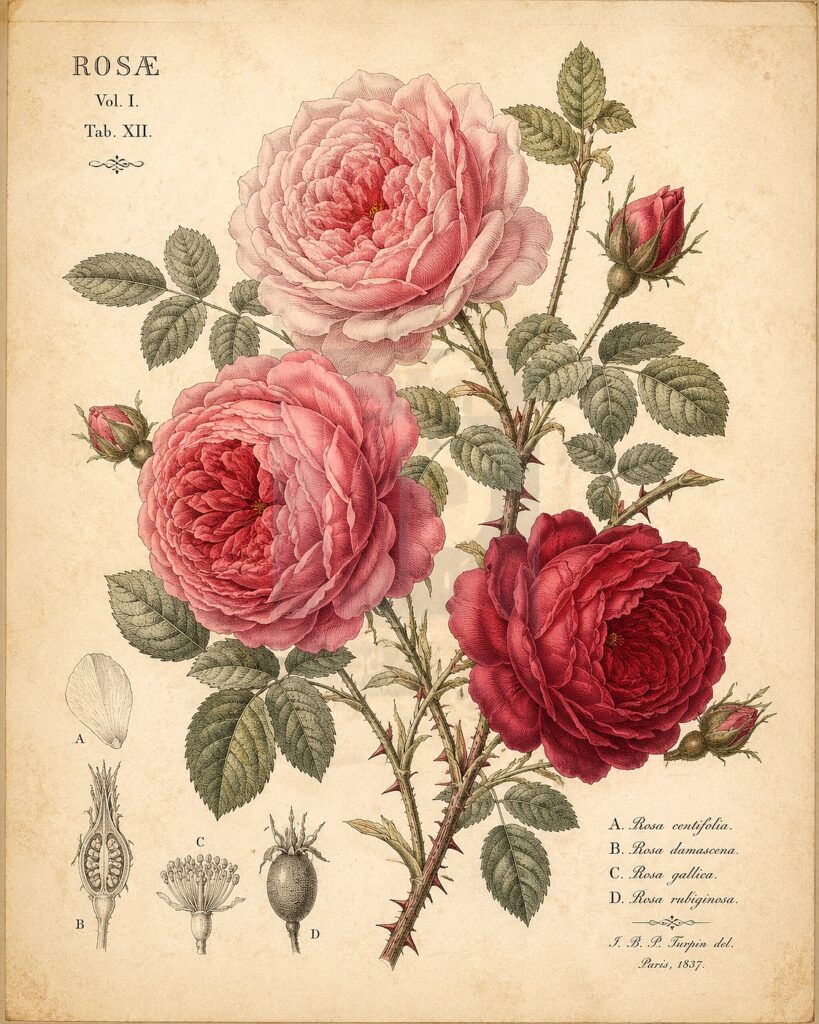
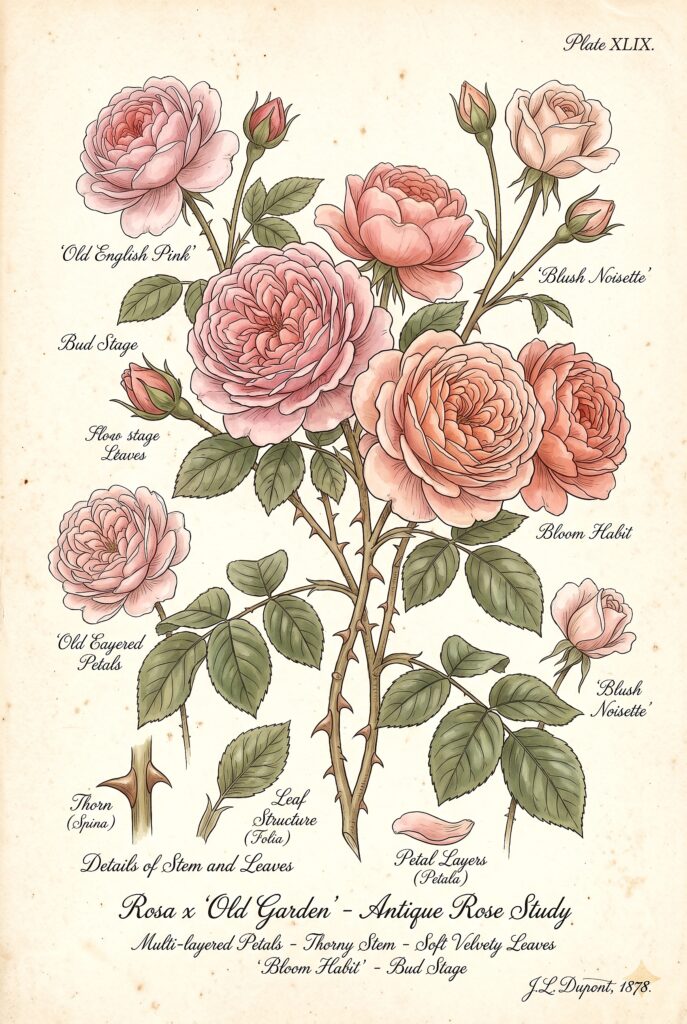
Roses are one of the most classic subjects in botanical illustrations, and honestly, it is easy to see why.
Their layered petals, curved stems, and tiny thorns already feel like they belong on old paper. When they are painted in soft pinks, faded reds, or creamy ivory tones, they instantly take on that antique garden journal look.
Vintage rose studies often feel romantic without becoming overly sweet. A single bloom, a half-open bud, and a few carefully observed leaves can create a composition that looks lifted from an old estate garden notebook.
This is also a beautiful section for one or more inspiration images, especially if you want to show different rose varieties or paper textures.
Lily and Iris Flower Studies
Lilies and irises bring a more elegant, upright quality to botanical drawings. Their long stems and graceful leaves create a lovely vertical shape, and the flowers themselves have such dramatic lines that they almost look designed for vintage botanical plates.
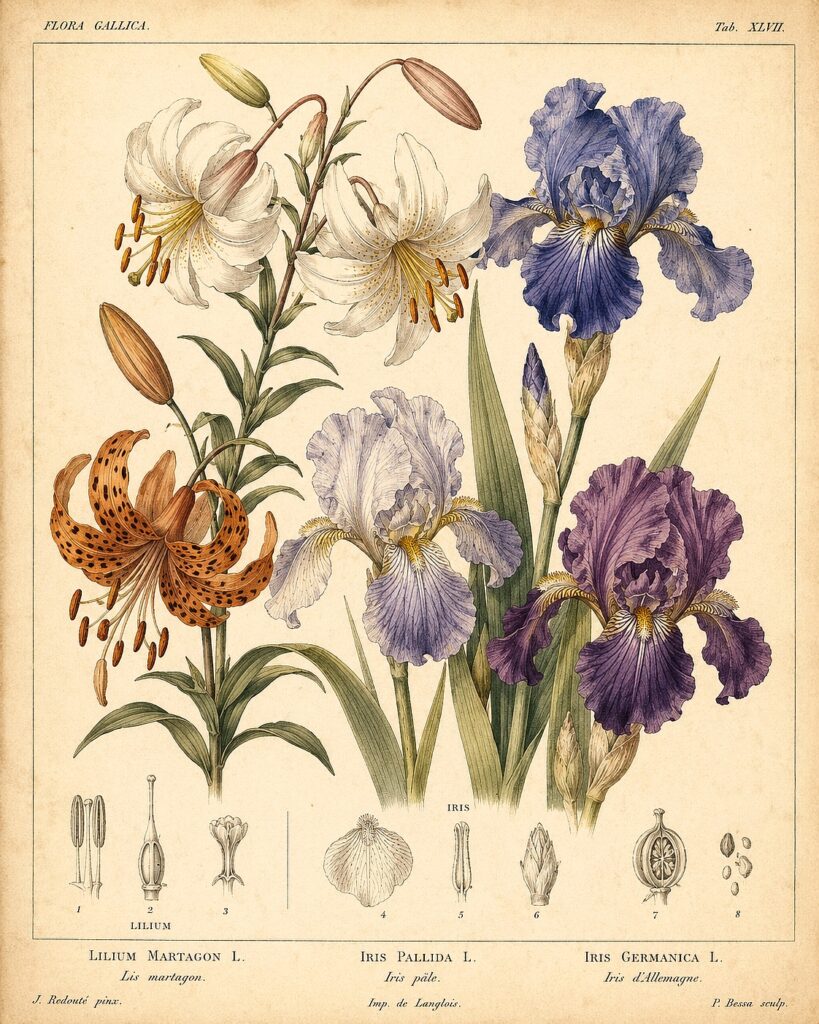
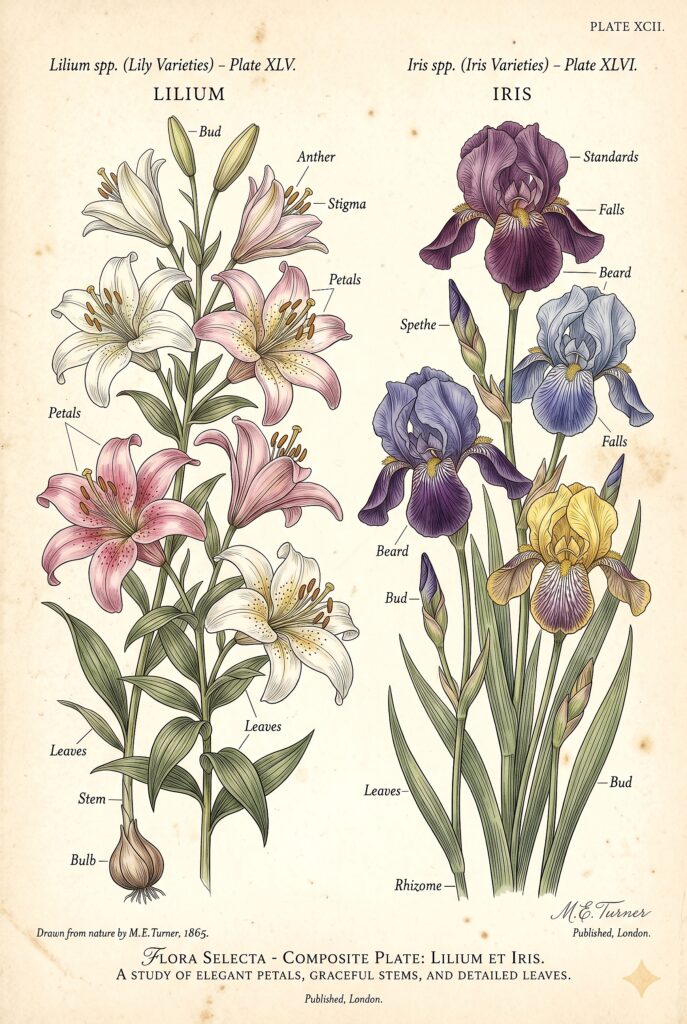
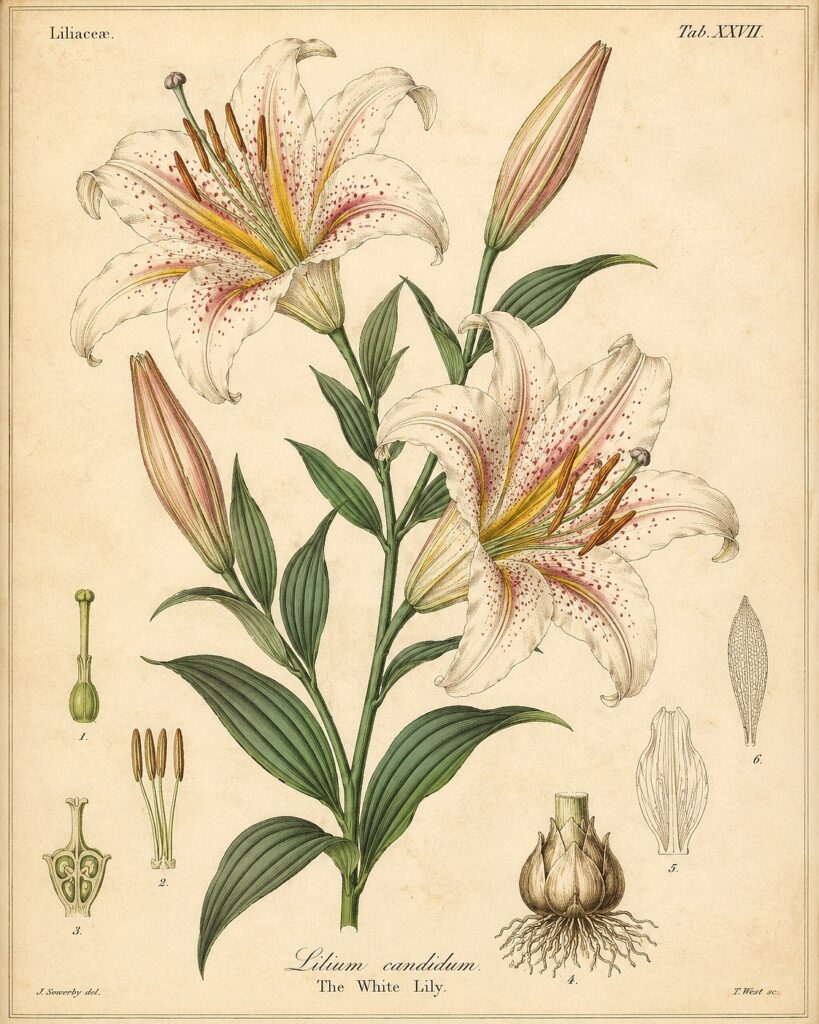
I’ve always thought lilies and irises carry a kind of quiet grandeur. They feel refined, but not stiff. A few well-chosen inspiration images here could show how these blooms look in both detailed scientific studies and softer vintage flower art with muted watercolor.
Wildflower Botanical Art
Wildflowers have a looser, more carefree charm that works beautifully in botanical illustrations. Daisies, poppies, Queen Anne’s lace, bluebells, and buttercups all bring a meadow-like feeling that feels lighter and less formal than traditional garden blooms.
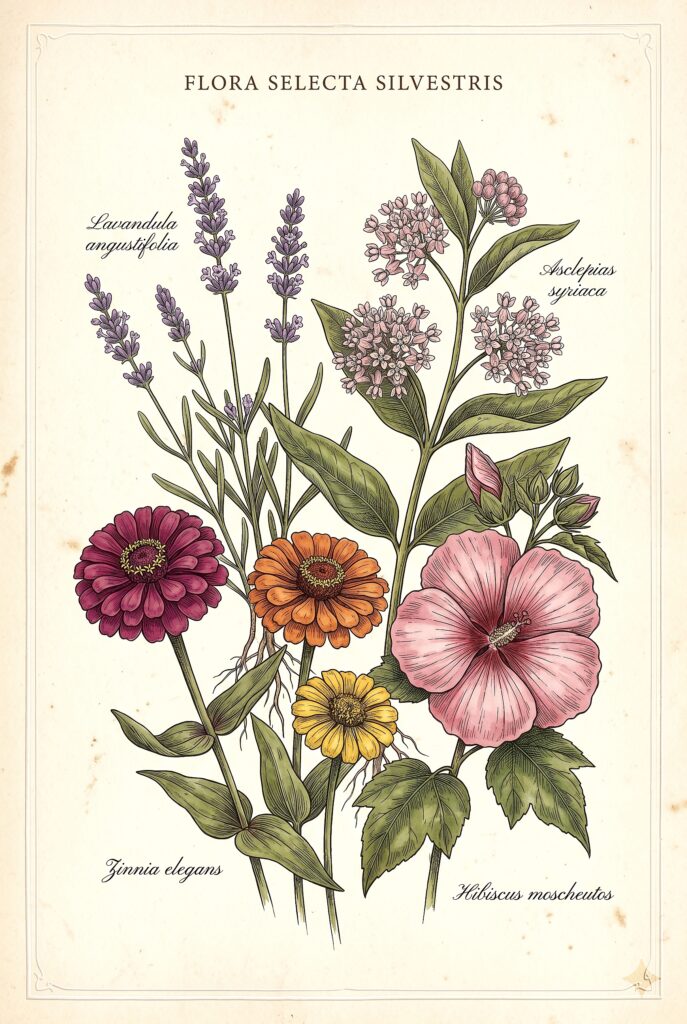
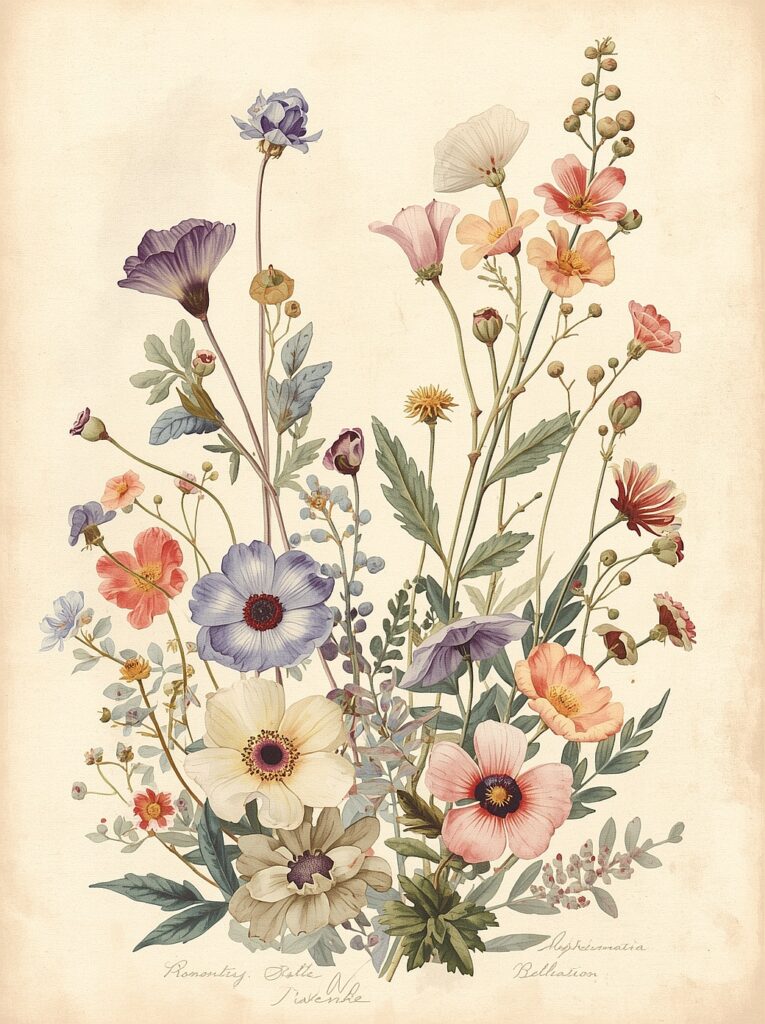
This style is perfect if you love vintage botanical art that feels a little windswept and natural. Instead of highly controlled arrangements, wildflower studies often look as if they were gathered during a walk and sketched later in a notebook. A cluster of inspiration images in this section could really help capture that relaxed countryside mood.
Herb and Garden Plant Illustrations
There is something especially charming about herb studies. Lavender, rosemary, basil, thyme, mint, and sage have such distinct shapes and textures, and they look wonderful in labeled botanical prints that feel practical and beautiful at the same time.
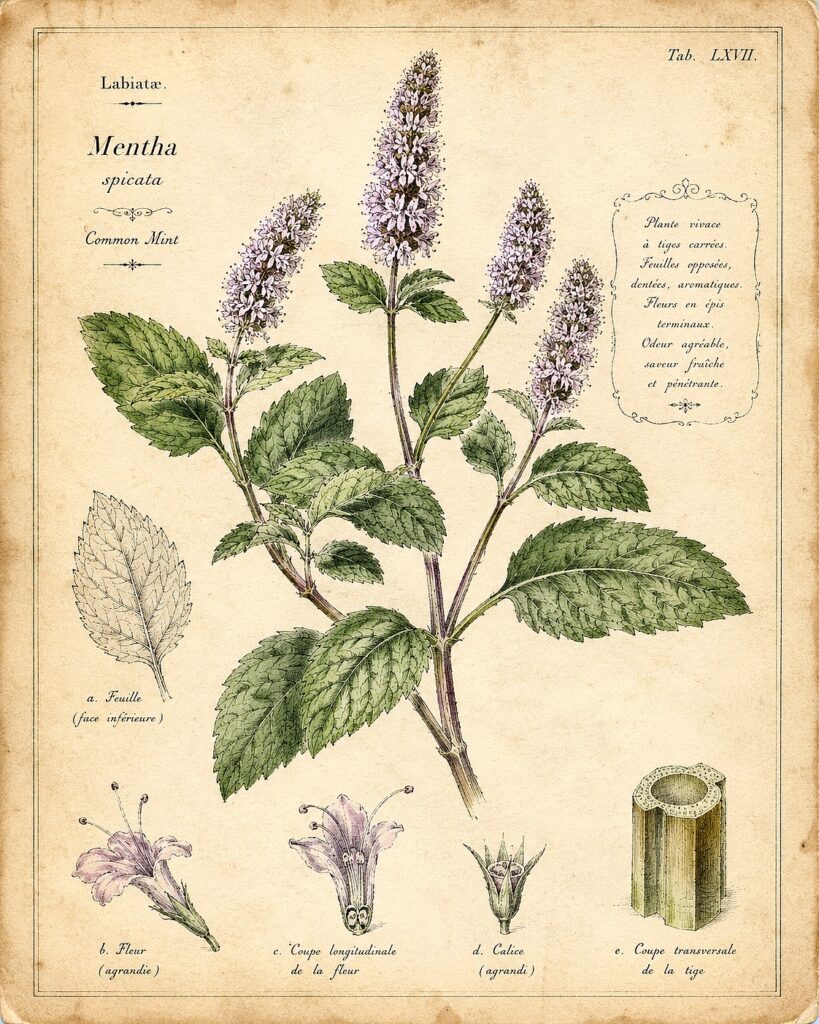
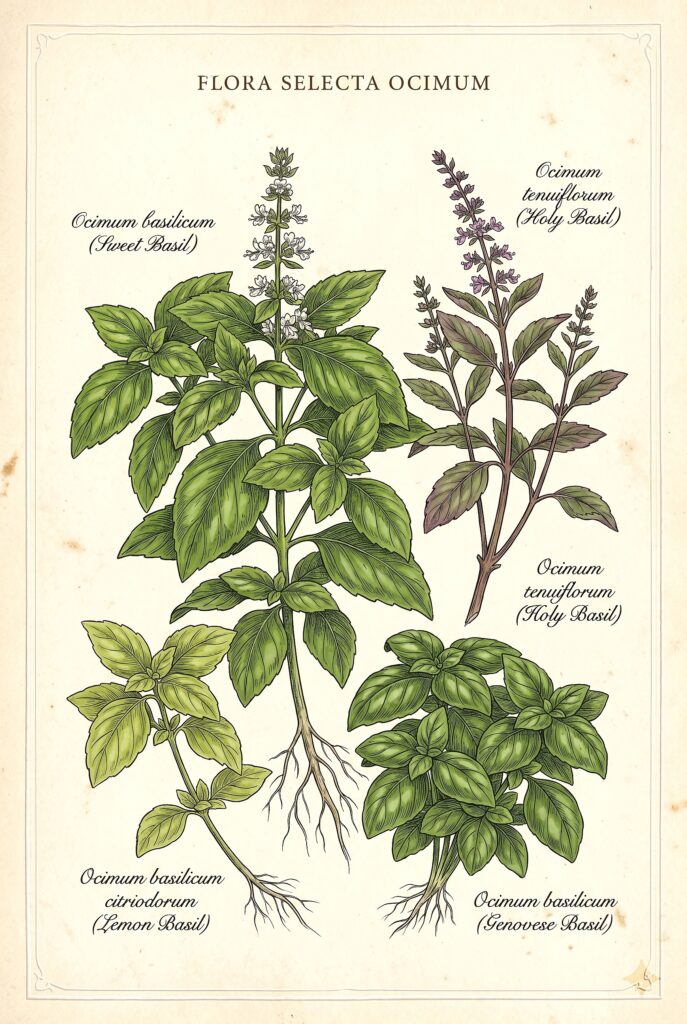
Herb illustrations often carry that old kitchen garden feeling people love. They can be tidy and informative, or soft and decorative, depending on the style. This is a lovely place to include inspiration images that show handwritten labels, old seed-packet colors, or simple arrangements that make everyday plants feel special.
Vintage Tree and Branch Illustrations
Not all botanical illustration ideas need to center on flowers. Tree studies and branching forms can be just as beautiful, especially when they include acorns, pinecones, seed pods, fruit tree branches, or curling oak leaves.
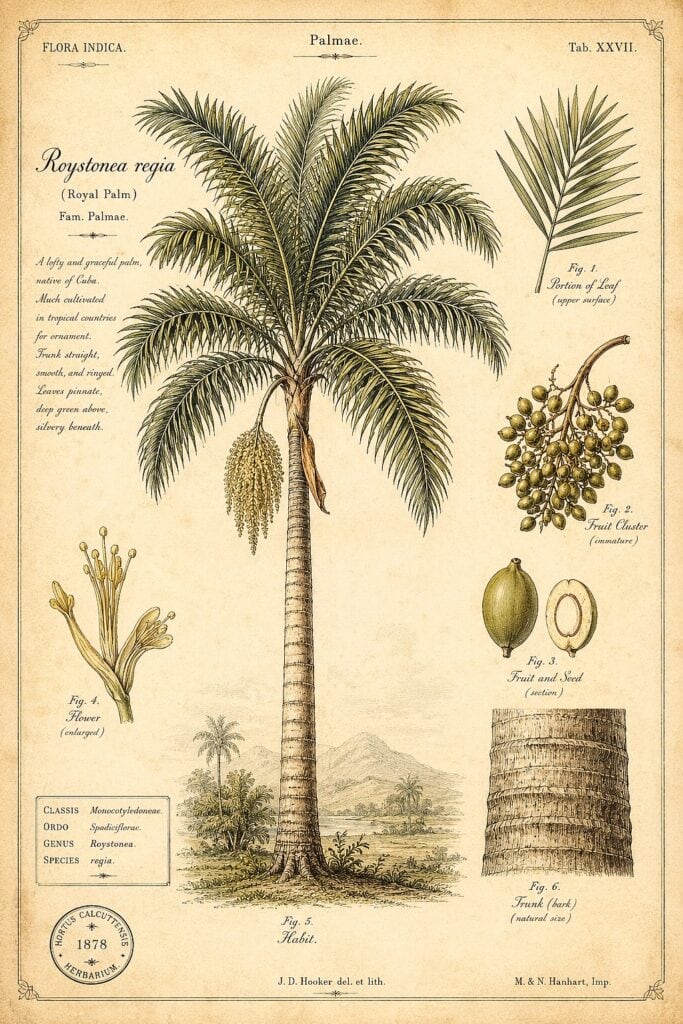
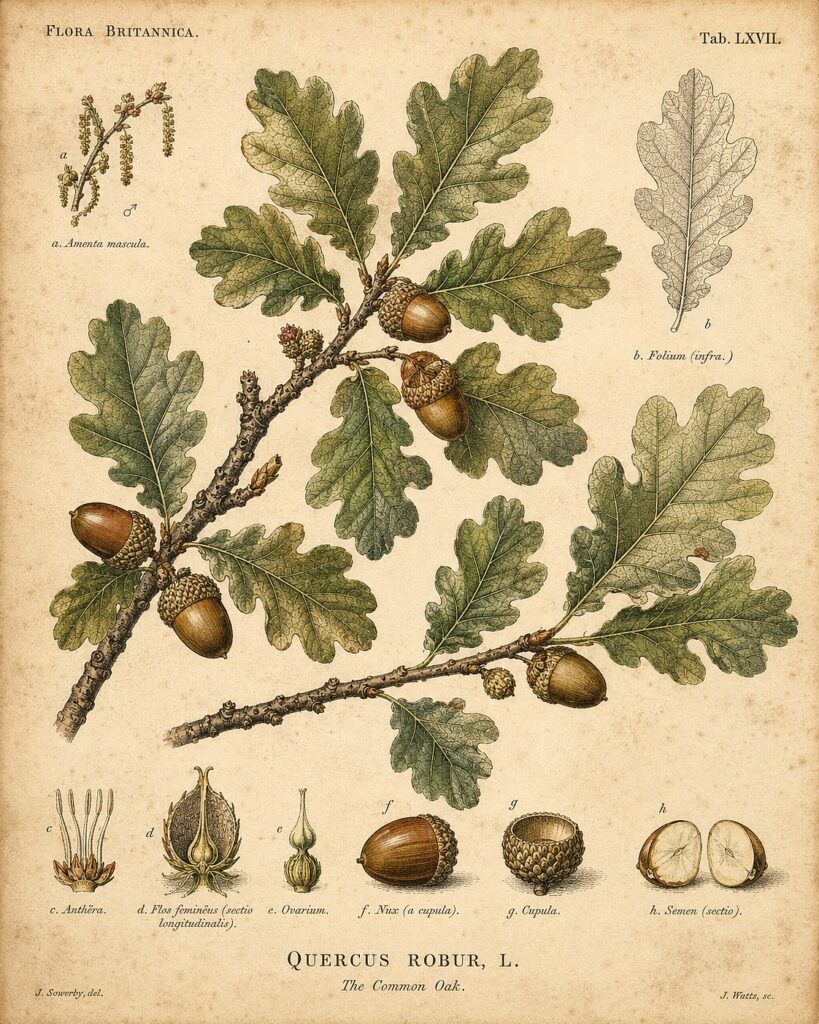
These pieces often have a more grounded, nature-study quality. They feel like pages from an old field journal collected during late summer or autumn. A few well-chosen visual examples here would fit naturally, especially if they highlight bark texture, leaf clusters, or seasonal details.
Mushroom and Fern Botanical Illustrations
Mushrooms and ferns bring a woodland mood to botanical illustrations that feels earthy, mysterious, and deeply vintage. Fern fronds have beautiful repeating patterns, while mushrooms add rounded caps, delicate stems, and subtle color changes that look wonderful in old field-guide layouts.
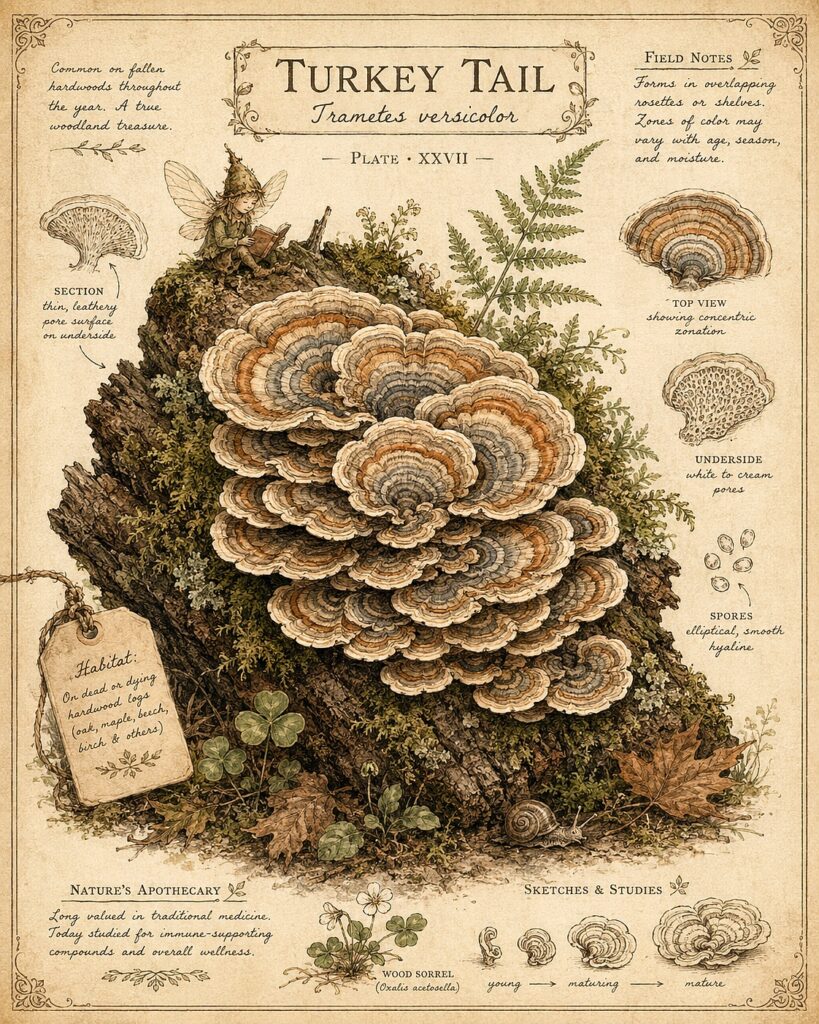
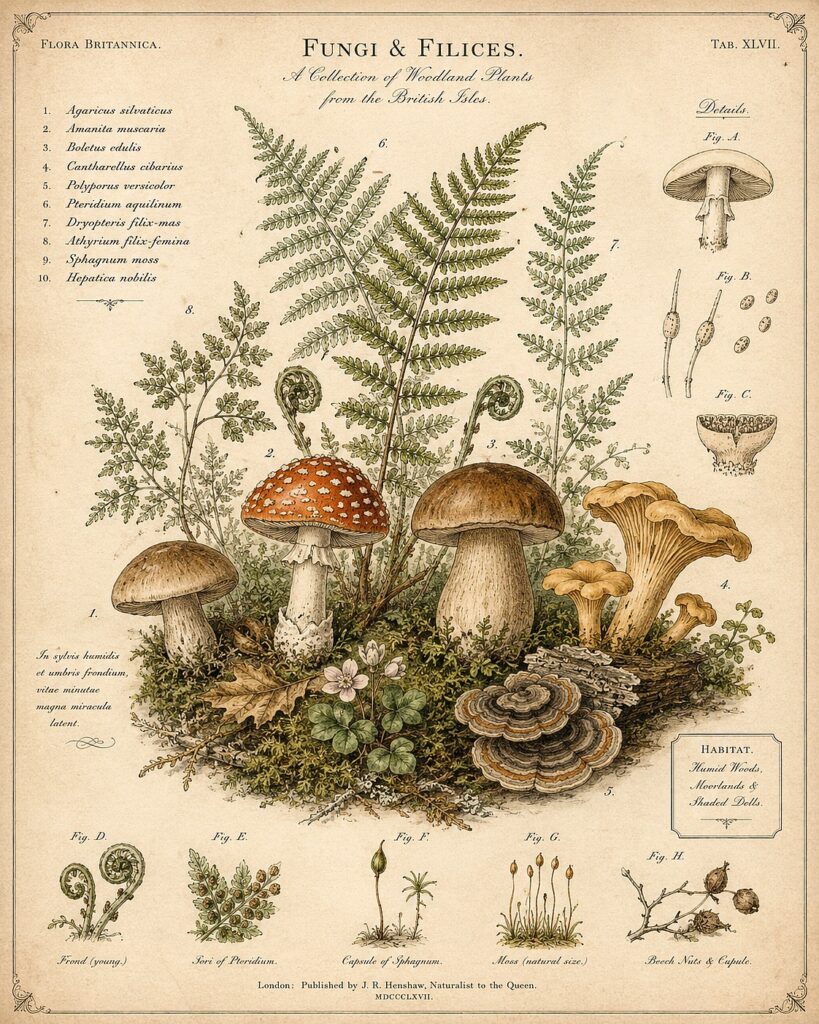
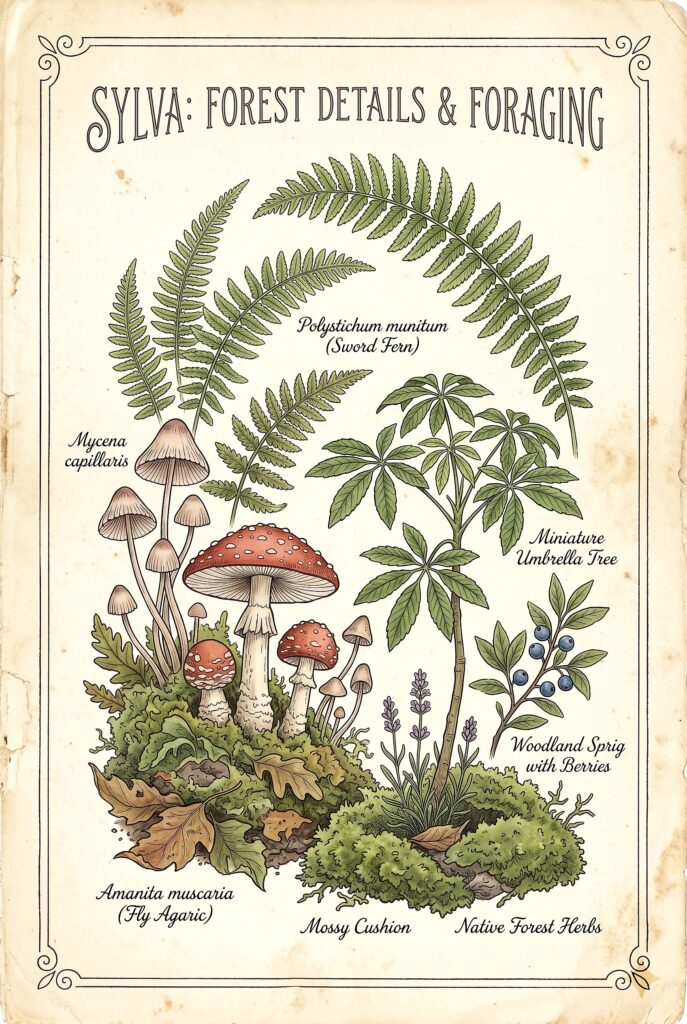
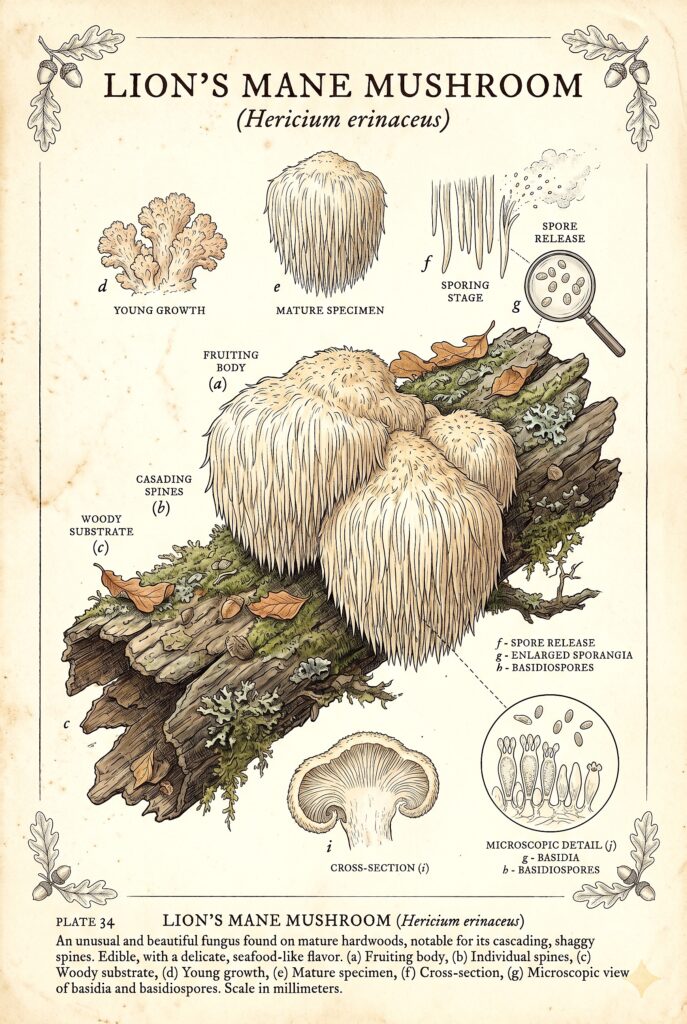
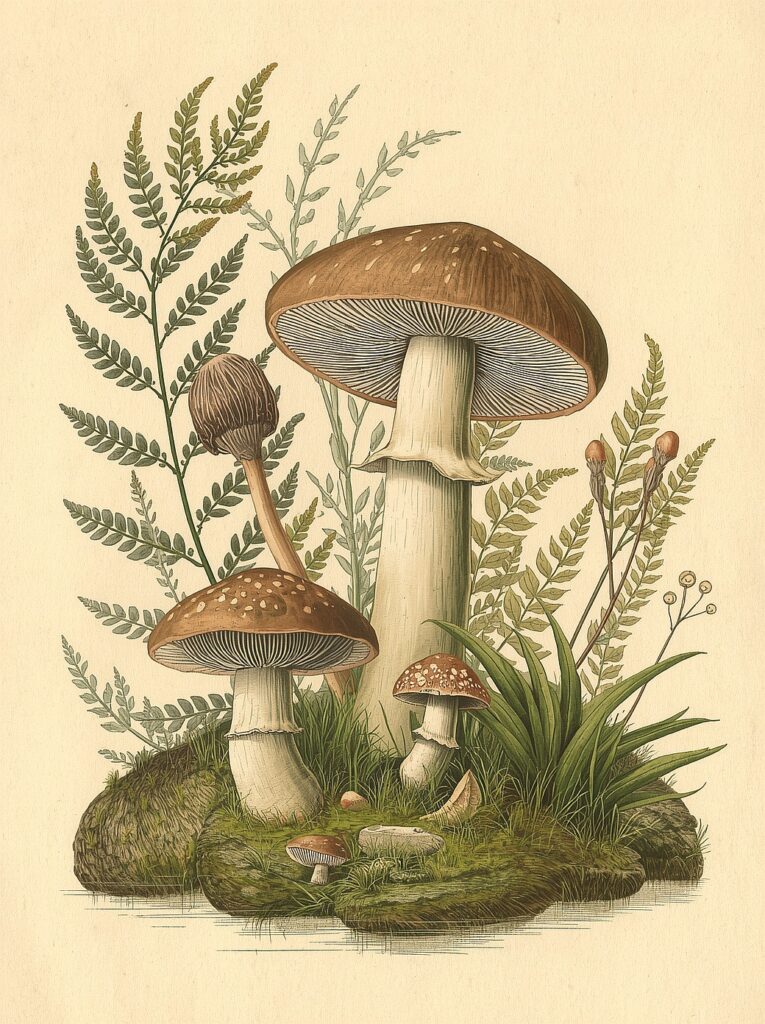
This kind of botanical art inspiration often leans into mossy greens, soft browns, and shadowy forest textures. It feels a little quieter and moodier than floral work, which makes it a great contrast in a gallery-style post. If you add imagery here, woodland specimen pages and forest-inspired botanical prints would fit perfectly.
Fruit and Citrus Botanical Prints
Fruit studies can make botanical illustrations feel bright and old-fashioned in the best way. Lemons, oranges, strawberries, figs, pears, and cherries all bring color and shape, while attached leaves and branches keep the composition rooted in botanical tradition.
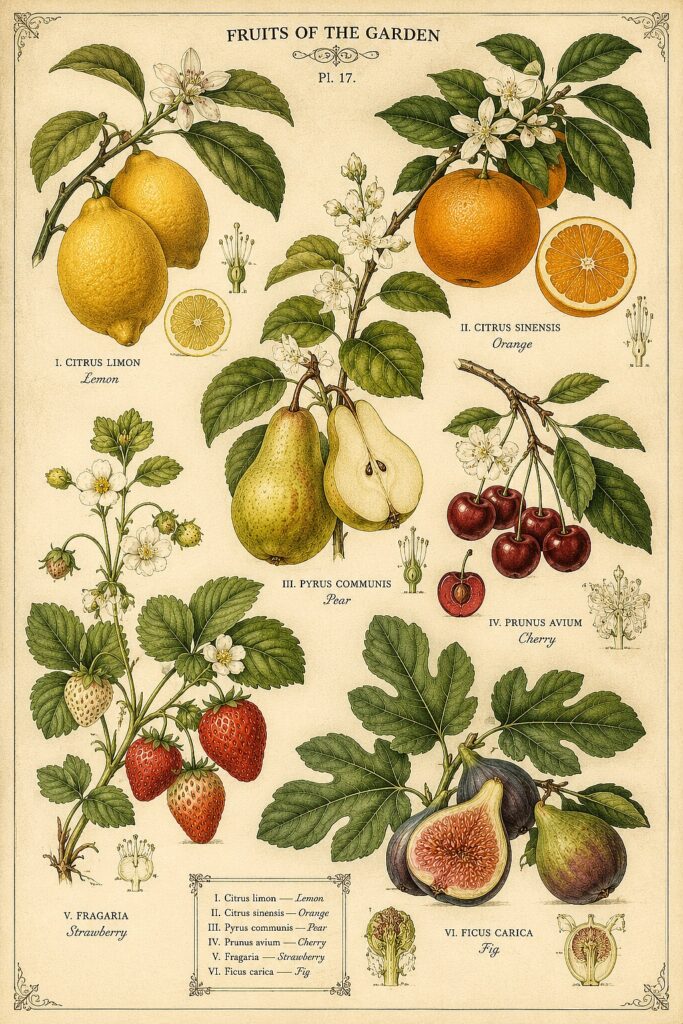
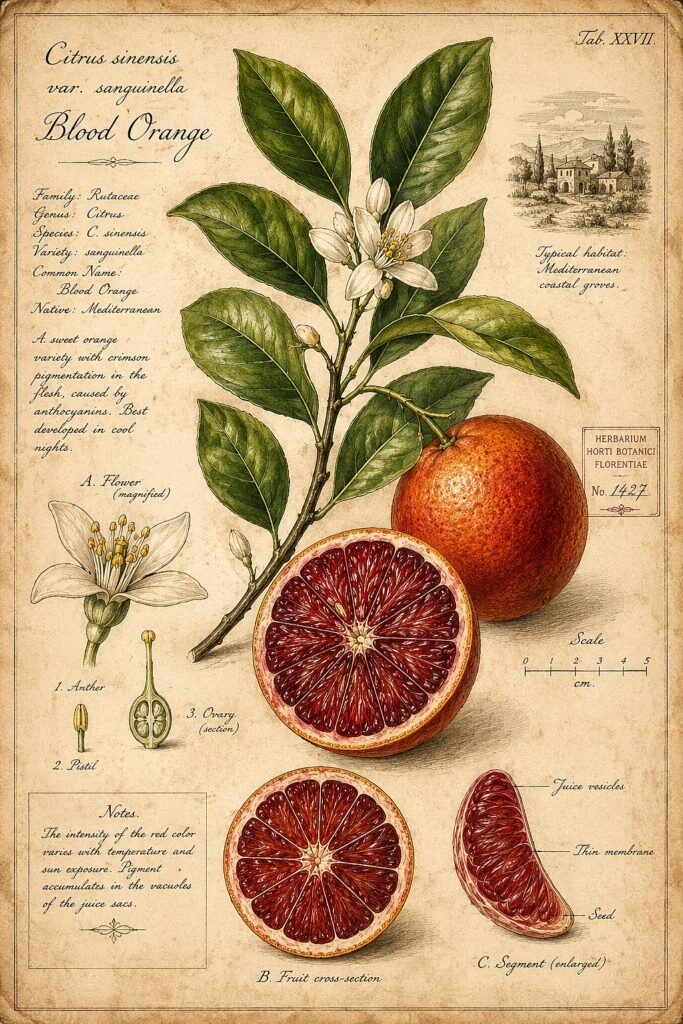
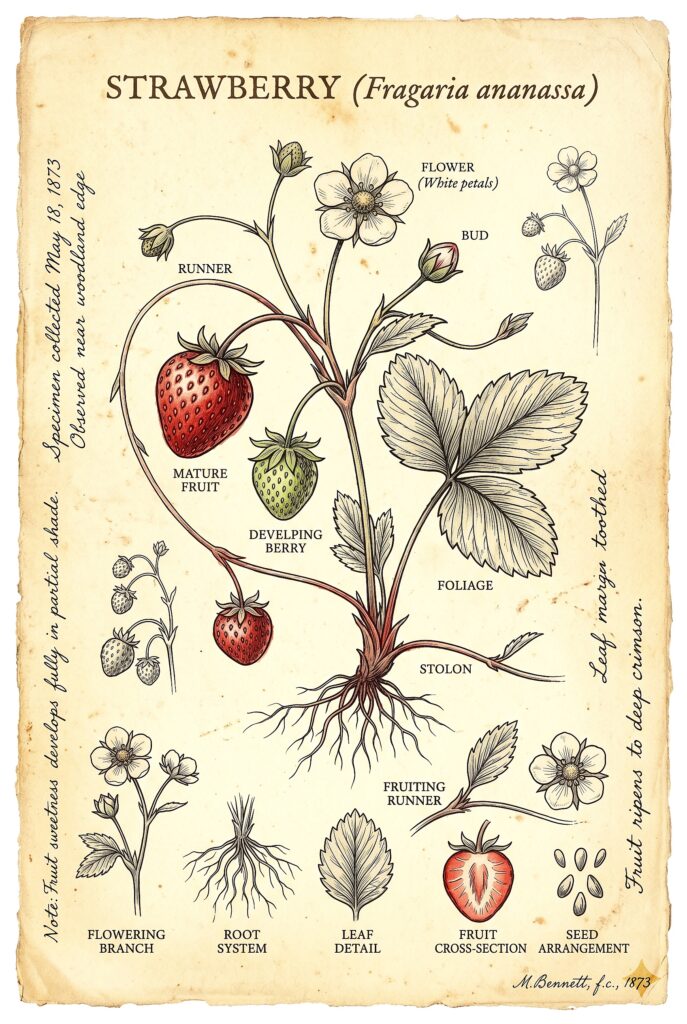
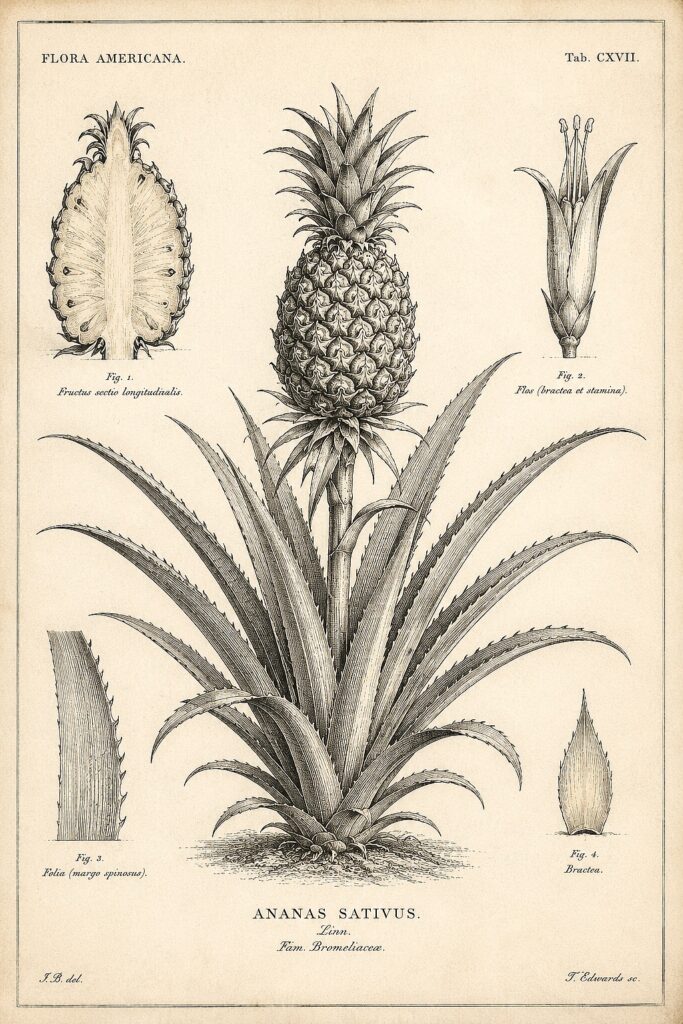
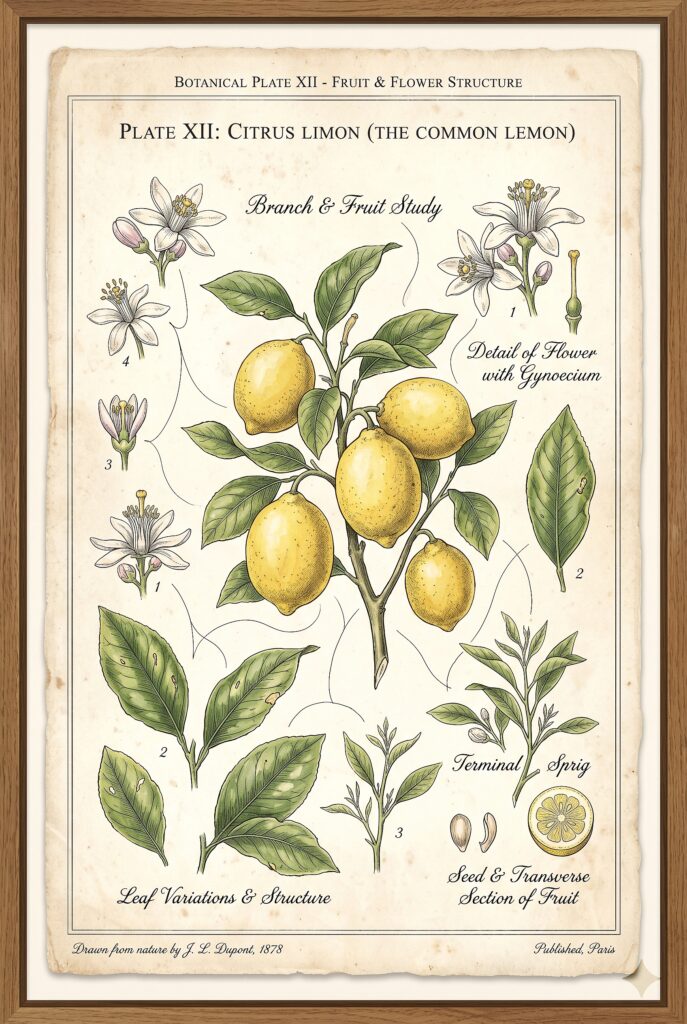
There is a certain kitchen-garden warmth to botanical fruit branches. They feel cheerful, sunlit, and slightly nostalgic, like something you might find framed in a country pantry or printed in an old gardening book. This section is especially suited to inspiration images because fruit illustrations often shine when grouped by color and season.
Watercolor Botanical Illustrations
Watercolor botanical art has a softness that feels instantly vintage. Transparent layers, gentle blending, and loose petal edges can make even detailed flower illustrations feel airy and light.
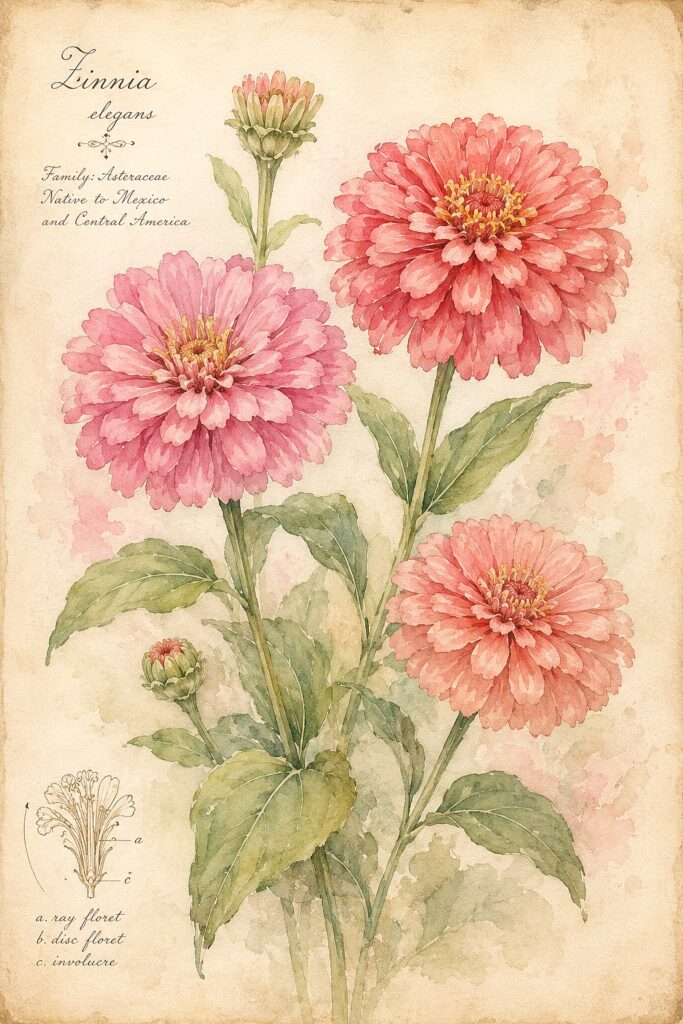
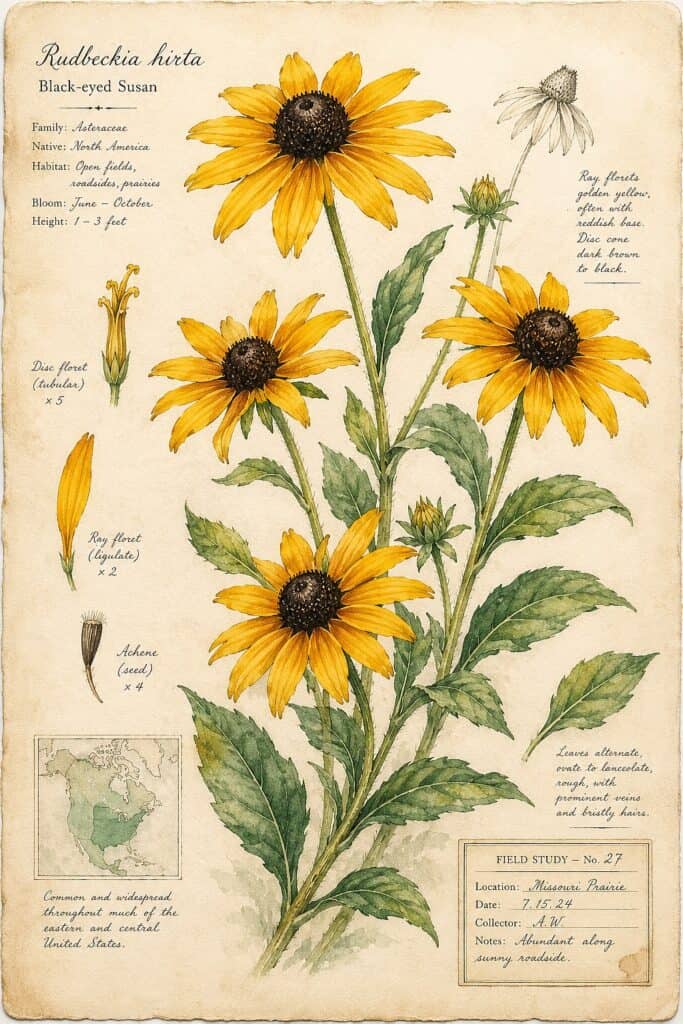
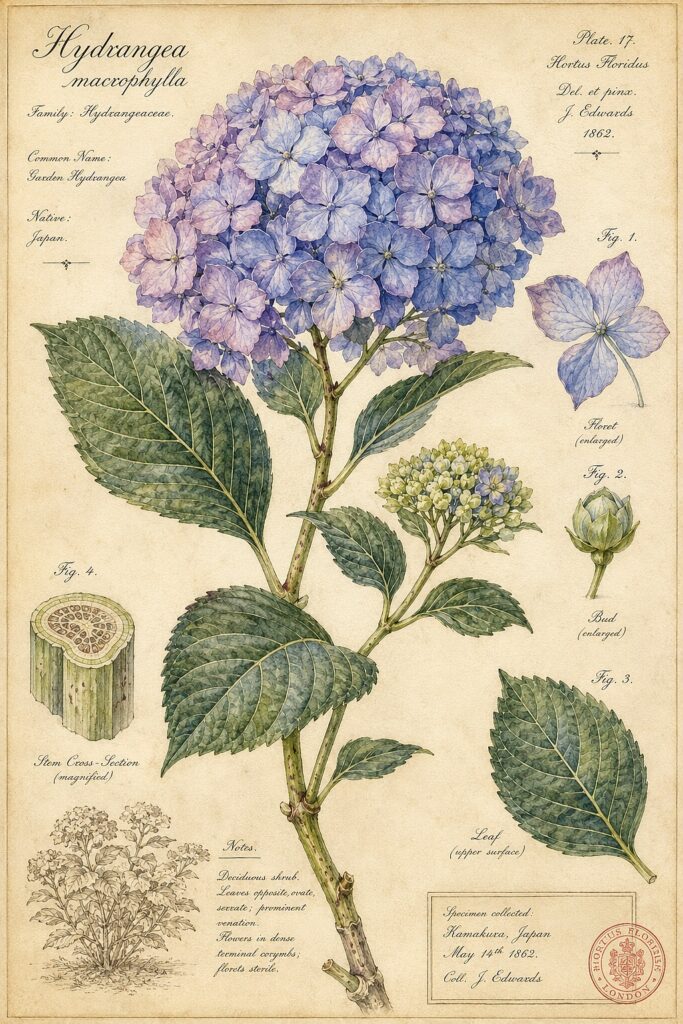
What makes this style so lovely is the way it balances structure with softness. The shapes are still observed carefully, but the color has room to bloom and fade. A few inspiration images here could show pale greens, dusty florals, and those delicate washes that give watercolor botanical art its timeless appeal.
Ink Botanical Drawings
Ink botanical drawings have a very different kind of beauty. They strip things down to line, form, and texture, which makes every vein, edge, and tiny shadow feel more noticeable.
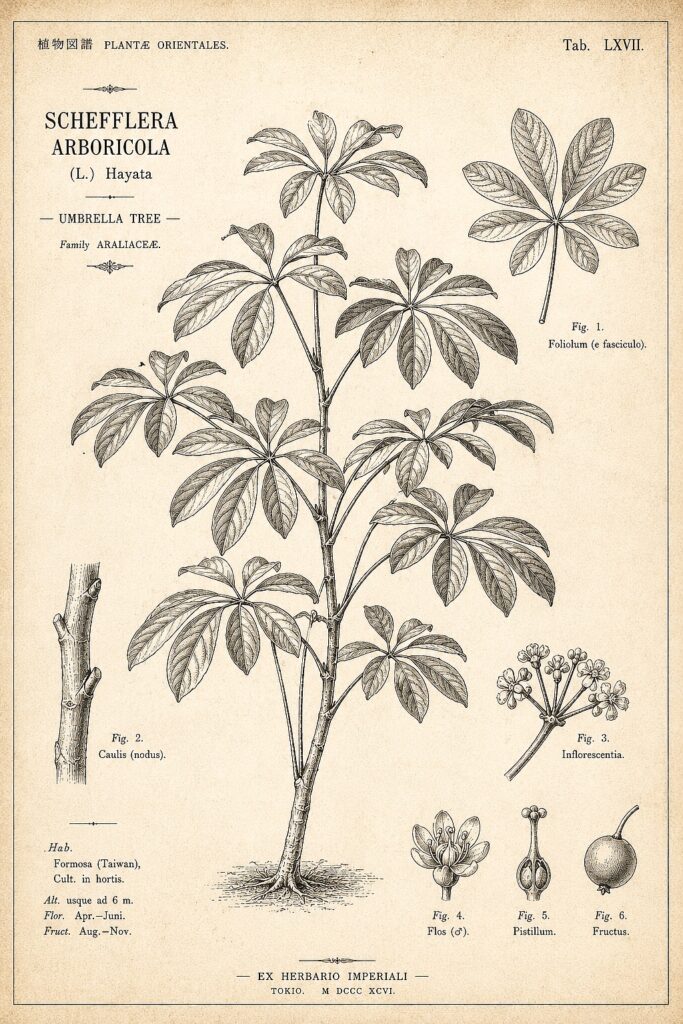
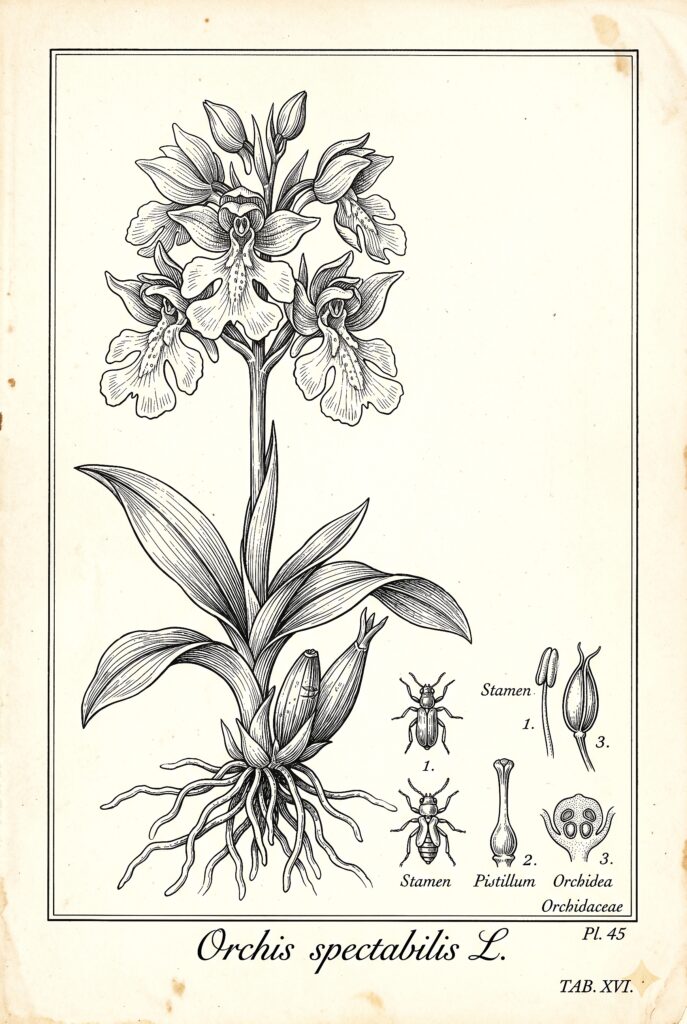
Fine pen details, crosshatching, and delicate outlines can give botanical illustrations an antique scientific feel, especially in black and white. This style works beautifully for readers who love old encyclopedias, specimen studies, and classic natural history books. It would make sense to pair this section with visual inspiration that highlights linework and page composition.
Scientific Botanical Plates
Scientific botanical illustration has its own unmistakable charm. These compositions often include labeled flower parts, root systems, seed structures, and small detail studies surrounding a central plant drawing, all arranged in a way that feels both orderly and artistic.
What I love about old scientific plates is that they make plants feel fascinating. A stem is not just a stem anymore; it becomes something worth studying closely. This section is ideal for inspiration images that show vintage layouts, tiny labels, and the balanced structure that makes these botanical prints so satisfying to look at.
Pressed Flower and Herbarium-Inspired Art
Herbarium art has a slower, quieter beauty. Dried flowers, flattened petals, parchment-toned paper, and handwritten specimen notes all create a look that feels intimate and collected over time.
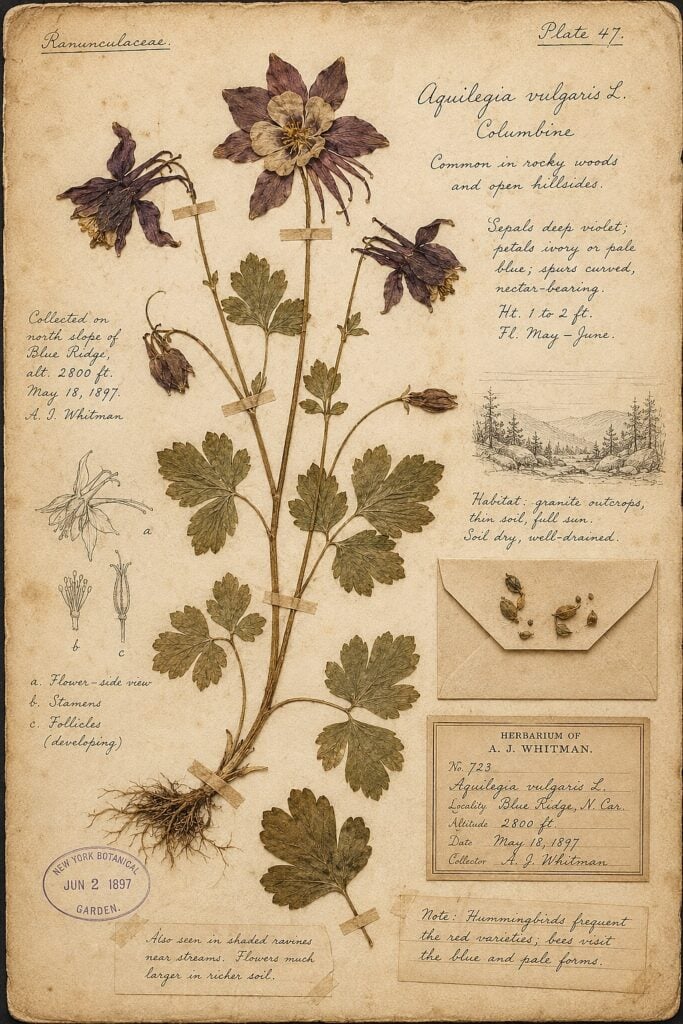
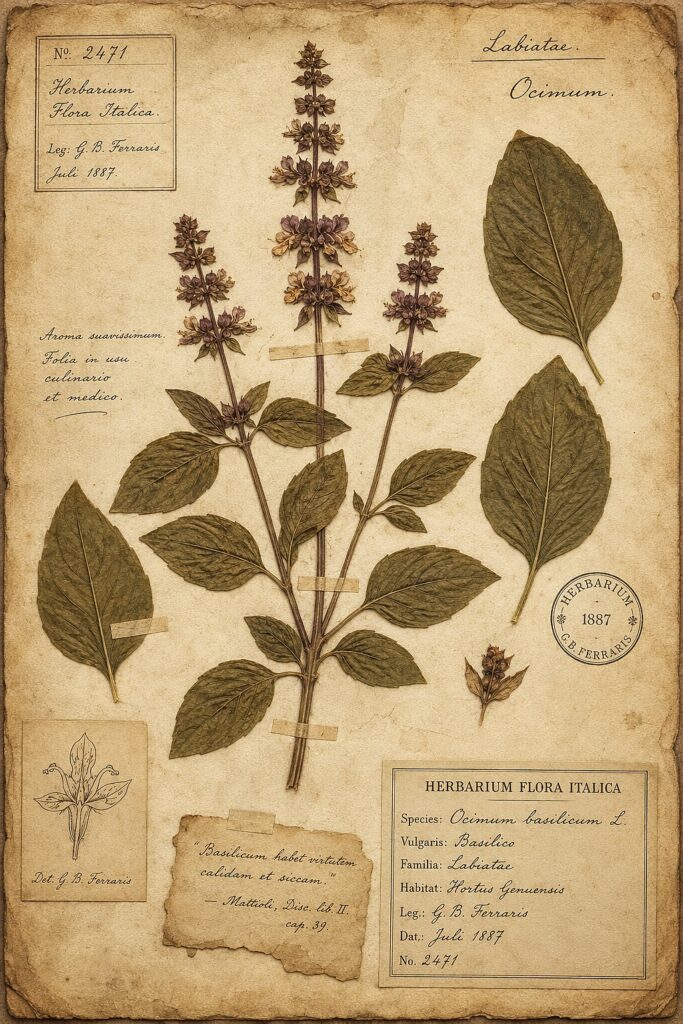
These pieces often blur the line between botanical illustration and nature journaling. They can include labels, dates, small notes, and fragile-looking arrangements that feel deeply personal. This would be a wonderful point in the article to include inspiration images with pressed-flower aesthetics and old paper textures.
Moody Vintage Botanical Illustrations
Not all botanical illustrations need to feel pale and airy. Moody versions can be incredibly striking, especially when they use darker backgrounds, deep greens, faded burgundy petals, and touches of antique gold.
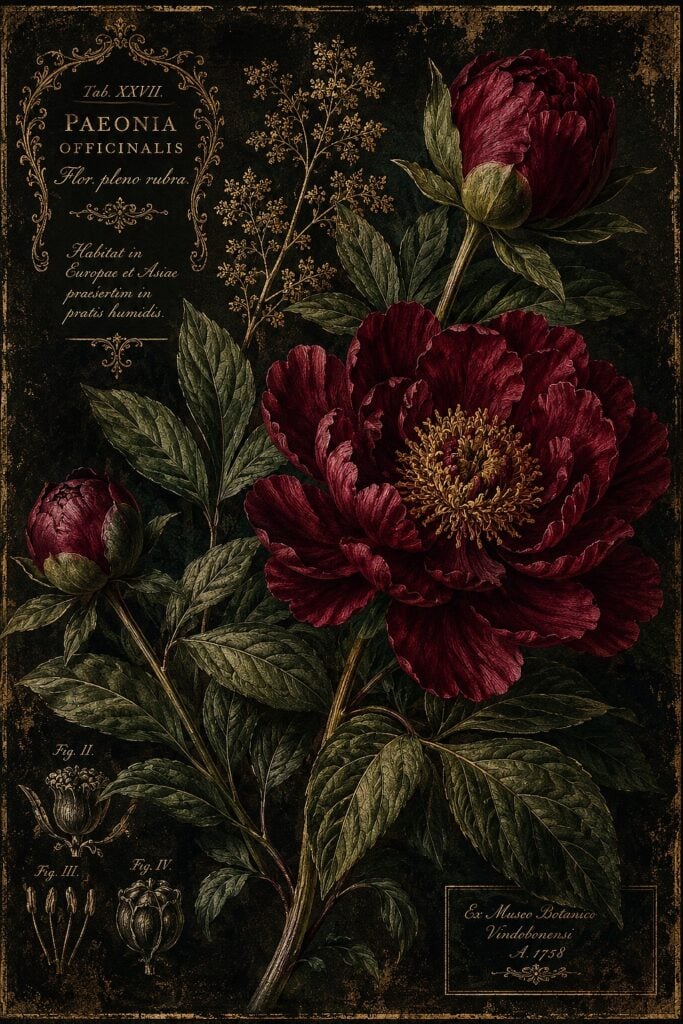
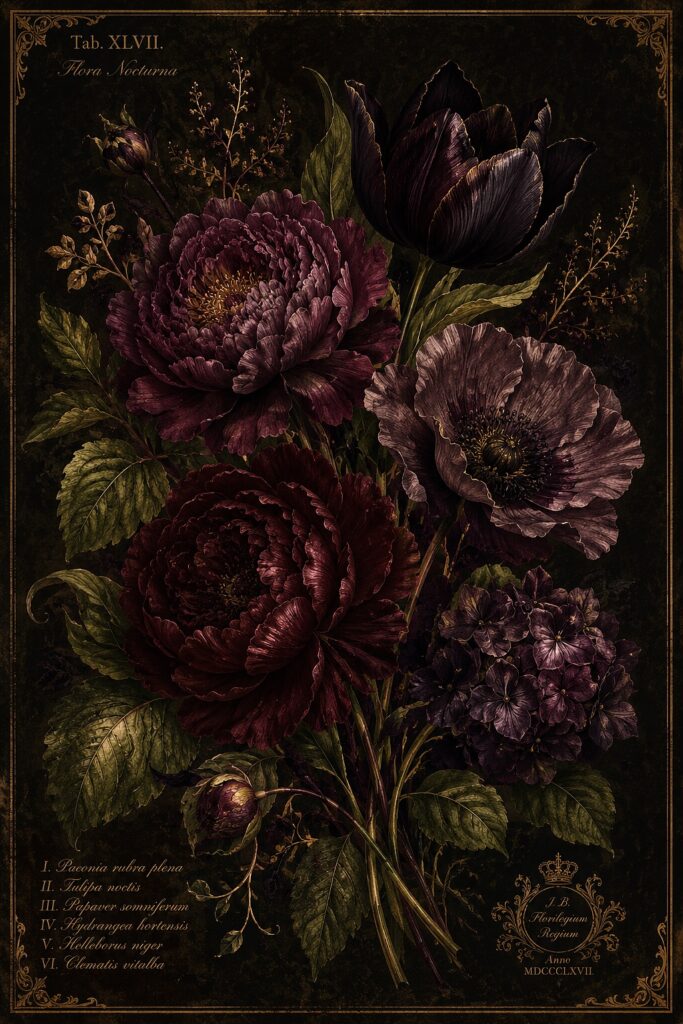
This style has a dramatic beauty that still feels rooted in vintage botanical art. It can look rich, velvety, and a little mysterious, almost like a painting found in an old manor library. If the blog owner wants a stronger visual contrast in the post, darker floral inspiration images would work beautifully here.
Soft Cottagecore Botanical Art
Soft cottagecore-inspired botanical illustrations lean into charm, comfort, and romantic garden details. Think gentle wildflowers, simple blooms from the backyard, handwritten labels, muted color palettes, and pages that feel like they belong in a well-loved countryside sketchbook.
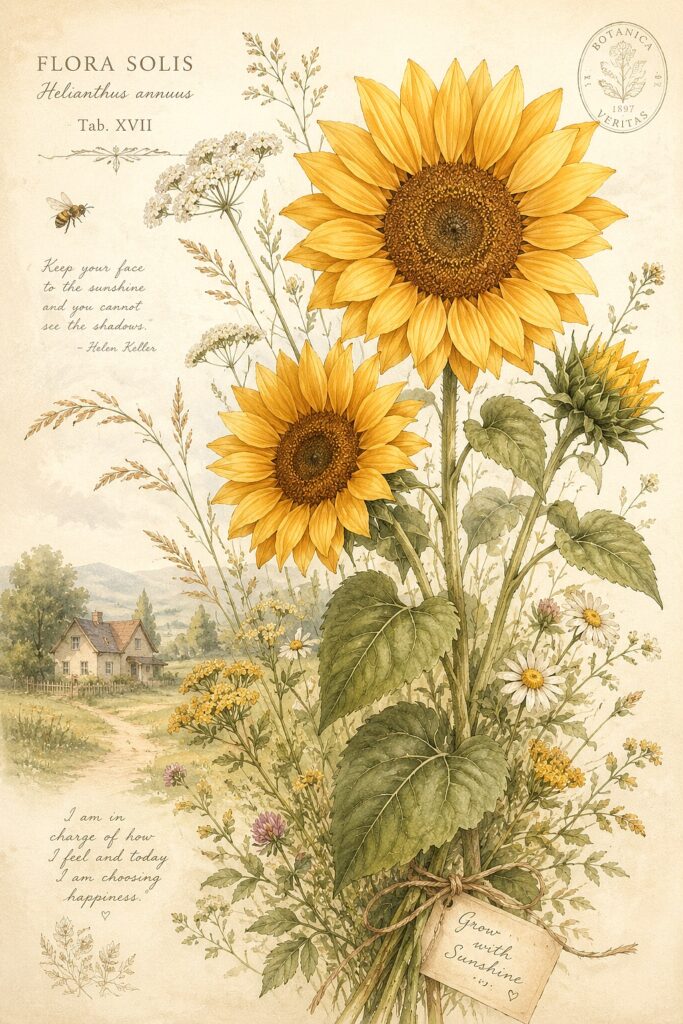
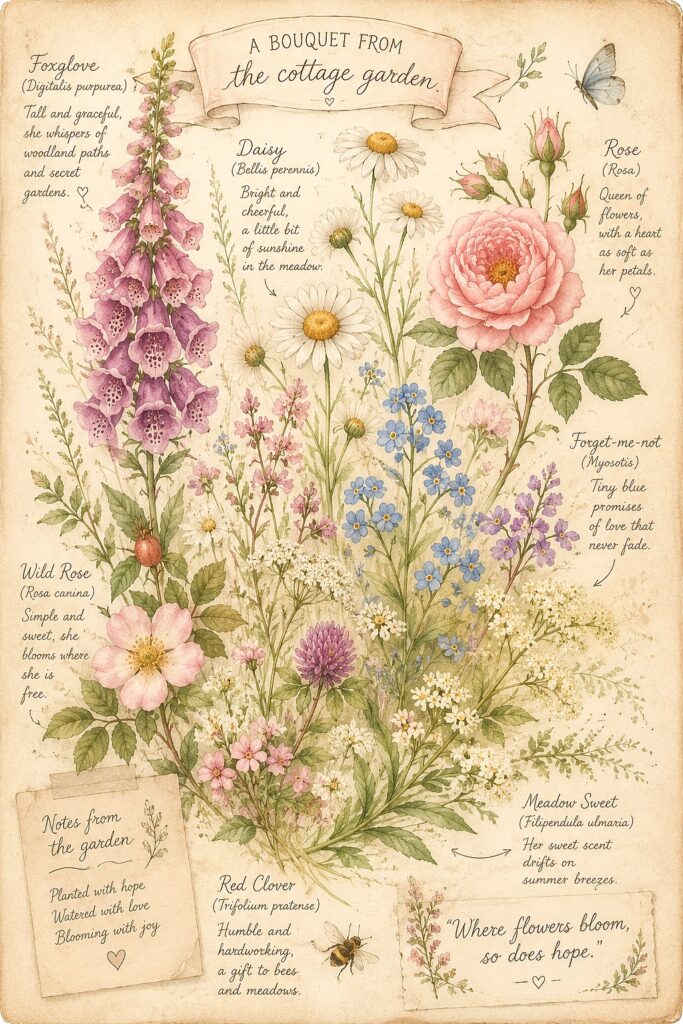
This kind of botanical art inspiration feels warm and lived-in rather than formal. It pairs beautifully with soft watercolor, cream paper, and vintage flower art that has an almost storybook quality. A few visual examples in this section could help bring out that cozy garden feeling.
Botanical Sketchbook Page Ideas
Sketchbook-style botanical layouts are such a lovely way to gather inspiration because they feel unfinished in the best possible sense. Instead of one polished composition, you might see several small studies on a page, along with notes, color swatches, labels, and close-up details of petals or leaves.
These pages feel personal and exploratory, which makes them especially useful for artists and doodlers. They show how botanical illustrations can be collected as observations instead of formal finished pieces. This section naturally invites one or more inspiration images that highlight page variety, small studies, and vintage sketchbook charm.
Tips for Using Botanical Illustrations as Art Inspiration
One of the best things about botanical illustrations is that you do not have to copy them exactly to learn from them. They are wonderful for slowing down your eye and helping you notice what makes a plant visually interesting in the first place. A stem curve, the spacing of leaves, the way petals fold, or the shape of a seed pod can all spark new ideas.
It helps to pay attention to shapes before anything else. Look at how rounded, narrow, pointed, feathery, or layered different plants are. Even simple botanical drawings can teach you a lot about visual rhythm and how nature builds patterns.
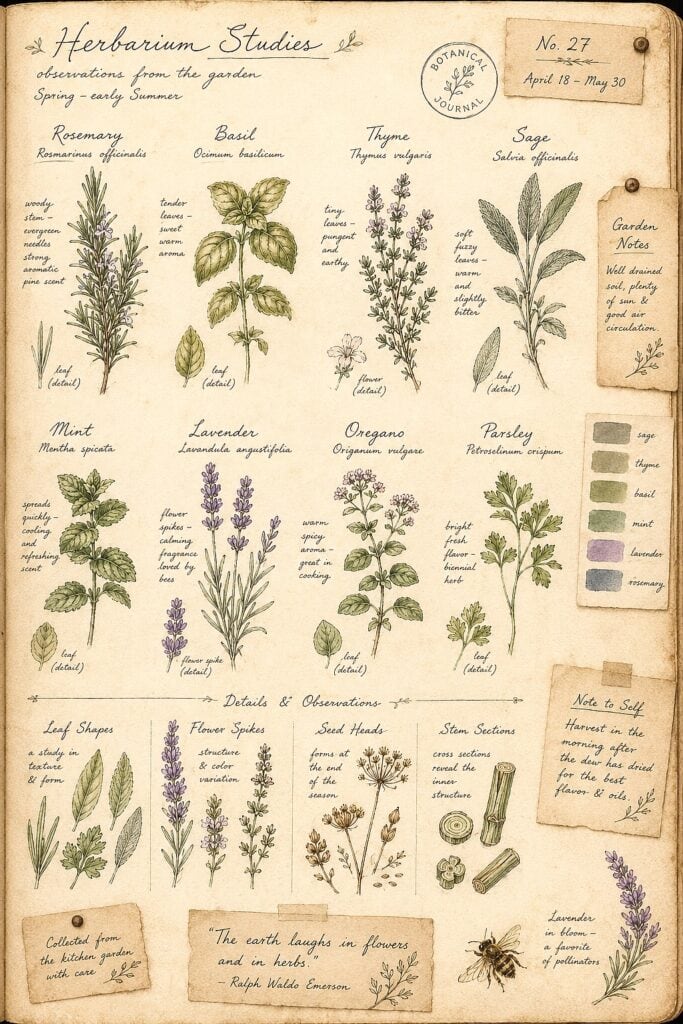
Color is another huge source of inspiration. Vintage botanical art often uses softer palettes than modern floral references, with dusty greens, faded rose, buttery cream, muted plum, and gentle earth tones. Saving examples that highlight color combinations you love can be just as useful as saving full compositions.
Leaf patterns are worth studying too. Veins, edges, clusters, and the way leaves attach to stems all add personality to botanical prints. Once you start noticing those details, you see why some plant studies feel elegant, some feel wild, and some feel almost architectural.
Composition matters just as much as the plant itself. Old scientific botanical illustration often places the main specimen front and center, with smaller detail studies around it.
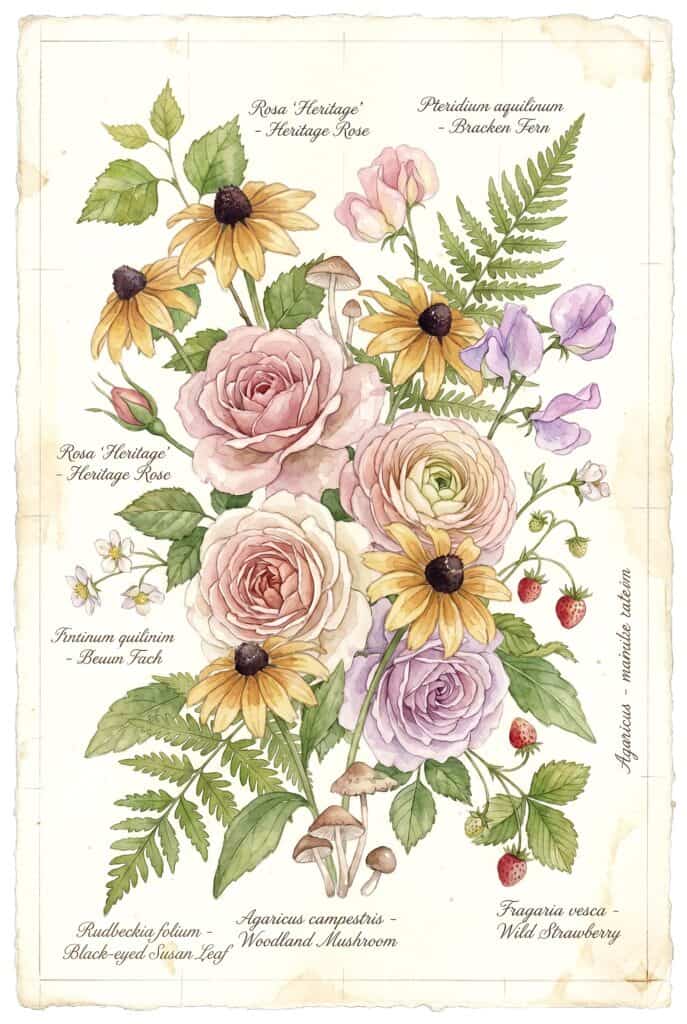
Herbarium art may feel more offhand and collected, while watercolor botanical art often leaves more breathing room on the page. Those layout choices can inspire journals, paintings, collage work, and sketchbook spreads later on.
And maybe most important of all, save the details that genuinely stay with you. It could be a faded label, a delicate root study, a cluster of berries, a fern unfurling, or the way an old page has aged around the edges. Botanical art inspiration tends to build slowly, and those small details are often what shape your own creative style over time.
Final Thoughts on Vintage Botanical Illustration Inspiration
Botanical illustrations are such a beautiful source of creative calm. They remind us that inspiration does not always need to be loud or complicated. Sometimes it is just a leaf, a rosebud, a mushroom cap, or a carefully painted branch on an old cream-colored page.
Whether you are most drawn to roses, wildflowers, herbs, fruit branches, ferns, or scientific botanical illustration, there is no shortage of ideas to explore. These images and styles can feed all kinds of creative projects, from drawing and painting to journaling, collage, and mood board collecting.
If you ask me, that is the real magic of vintage botanical art. It invites you to look closer, notice more, and make something beautiful from even the smallest natural detail.